
Summer 2023 Wrap-Up
A lesser-stacked season with some hidden gems sprinkled in.

I know I said that I’d write up a preview and a wrap-up post for every anime season I partake in. But with so much good stuff coming out season after season, I can’t resist biting more than I can chew so to speak. Seeing that this is the case, I’ve decided to write one post containing the seasonals and backlog shows I watch in the span of an anime airing season (winter, spring, summer, fall). I’ll try my best to get these out once the season concludes, but I can’t promise anything.
Seasonals
Horimiya: The Missing Pieces (CloverWorks)

Plot: 7/10 - Given that the purpose of this series was to literally fill in the missing pieces/manga chapters that the original Horimiya show skipped, it’s expected that it wouldn’t have a traditional plot. However, it still had a backbone to it and delivered on every front. While it was a bit difficult trying to figure out where exactly in the franchise each episode takes place (there’s a guide out there with timestamps for those who really want to experience the show chronologically), I still enjoyed myself watching the supporting cast get the flowers they rightfully deserved.
Characters
Protagonists: 10/10 - In the pre-season, one of the questions I had was just how much attention would Miyamura and Kyouko’s relationship get given that the supporting cast needed some time in the spotlight. I’m happy to report it was just the right amount. They shared enough heartwarming scenes together that it didn’t feel like their relationship was placed on the back burner. And I absolutely LOVE their relationship. It’s pure, silly, and they complement each other so well. It’s no wonder why I rated the main show so highly.
Supporting Cast: 10/10 - One of the main show’s weaknesses was its underdeveloped supporting cast, and I honestly couldn’t tell you who was who apart from Miyamura and Kyouko. Well, that sentiment definitely changed with the arrival of The Missing Pieces. In addition to their hair color, each supporting cast member puts their distinct personality at the forefront, making for some really funny scenes and episodes. The camaraderie they share is genuine, and I especially loved the scenes of the guys acting dumb amongst themselves. Everyone had an episode or two to shine, and I couldn’t ask for more.
Genre: 10/10 - The Missing Pieces really leaned into its comedic side, which was slightly muted in the original show. I wasn’t sure at first how I’d react to the change of pace past episode 3, but the jokes and gags were hitting perfectly. This was honestly one of the best comedies I’ve seen to take place primarily in a school setting.
Art/Animation/Design: 8/10 - It felt like CloverWorks picked up right where they left off from the original show. The variety of expressions and funny-looking faces were well-done. There’s one specific transition shot in the final episode where Iura moves a beach-themed postcard out of frame to reveal the cast cleaning up a classroom. I replayed this transition because it looked so clean; it goes from the cast looking like they’re having fun on a beach to them cleaning in the exact same positions. What can I say? I geeked out.
Music: 7/10 - The OP and ED were great choices, especially the OP which kept the nostalgic feel from the original show. The BGM within the episodes also helped underscore some of the funnier scenes, which isn’t something I notice too often.
Final Score: 8.55 > 9
Would I recommend? Definitely watch The Missing Pieces after Horimiya because it’ll give you an even greater appreciation for what was already a near perfect show. I wouldn’t recommend trying to watch both simultaneously just because it sounds like a logistical nightmare (and frankly a waste of time and effort). In retrospect, I wish Cloverworks aired Horimiya as a two-cour anime; it would’ve greatly benefited from having these episodes sprinkled between the romantic developments of Miyamura and Kyouko. Regardless, I think they redeemed themselves here. It’s not every day that you see an anime revisited and enhanced like this.
The Dreaming Boy is a Realist (Studio Gokumi, AXsiZ)
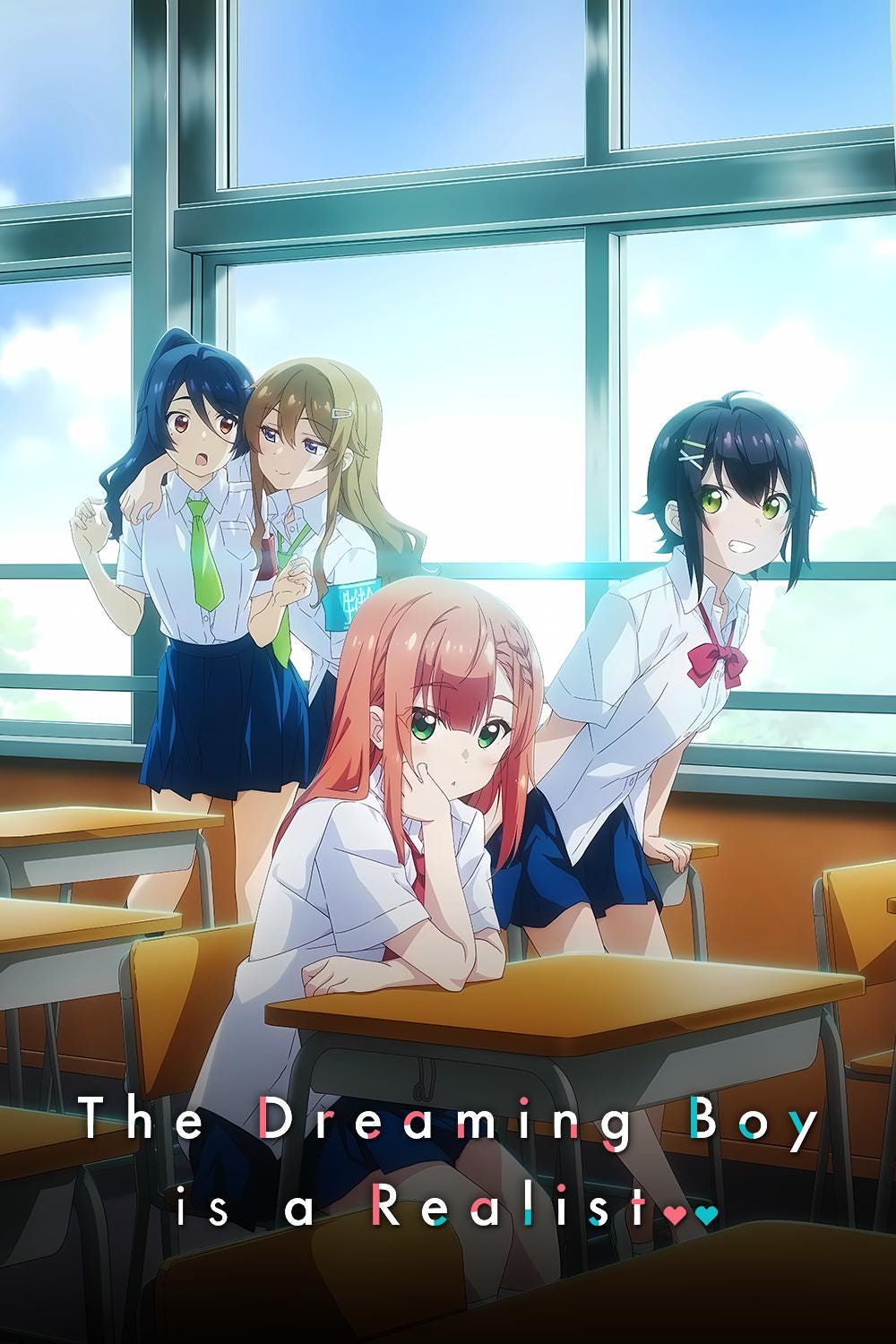
Plot: 5/10 - This anime is the very definition of mid. Sajo begs Aika to go out with him every day for a few months in middle school, gets rejected every time, and they eventually settle as friends. They get to high school, Sajo has an epiphany, stops aggressively pursuing Aika, and Aika comes around to like him by the end. This sounds like it has potential, but all of that potential is squandered by the show’s pacing. It starts off really slow as we’re introduced to the supporting cast of Rena, Marika, and Shinomiya. The first two don’t show up past the second half of the show whereas Shinomiya has maybe one or two more appearances afterwards, so that was a bit odd. Sajo also has a short arc that focuses on the relationship between him and his sister Kaede, which I can hardly remember but it was supposed to be one of the more emotional turning points of the show. The second half of the show introduces Fuka and Mina, who I thought were really solid supporting cast members. Those two probably saved the last six episodes for me. The finale episode includes Sajo and Aika sharing what’s supposed to be a turning point for Aika’s character, but even with the fireworks in the background (which I seriously thought was a bombing/explosion at first), I wasn’t sold on this emotion at all. It felt very abrupt and had me asking myself, “How did we get here?” Overall, this is an anime with a promising premise but suffers from terrible execution.
Characters
Protagonists: 6/10 - While some people might call Sajo a simp as he longs for Aika in spite of the distance he’s placed between them, I thought his character growth from a loser to a more confident and reliable person was well-written. He matured more naturally than I expected and made for some great episodes near the middle of the season. I wish I could say the same about Aika. She’s abrasive, rude, self-centered, and really only shows interest in Sajo when it seems like he’s stopped liking her. The show tries to justify here tsundere tendencies with flashbacks to how her life was in middle school, but I wasn’t biting. Aika just doesn’t get the same amount of character development as Sajo for me to care about how she feels.
Supporting Cast: 7/10 - The other girls in this show are pretty solid. They range from okay to EOY waifu contenders. In fact, I’d go as far as saying that every other girl could be best girl of the show other than Aika. Whether it’s Kei, Fuka, Mina, Shinomiya, or Kaede, I thought they had much better chemistry with Sajo than Aika ever did. I liked watching Sajo help them with the problems they went through over the course of the show, which contributed to his character development. Whereas every time Sajo shares screen time with Aika, I get this feeling of uncomfortable tension, which might be intentional to some degree. But if the point of the show is to get them closer to each other, you’d think that feeling would dissipate over time.
Genre: 3/10 - There are much better high school romances than this one. Even Toradora is better than this, and I didn’t like it much compared to most people.
Art/Animation/Design: 5/10 - Very mid/basic for today’s standards. Character expressions were very limited, and the range of emotion was lacking in general.
Music: 5/10 - I skipped the OP and ED most of the time, so I can’t say I liked or disliked it particularly.
Final Score: 5
Would I recommend? Definitely not. Even if this show somehow gets a second season, I ain’t wasting my time. Go watch Oregiaru if you’re interested in high school romances.
The Girl I Like Forgot Her Glasses (GoHands)
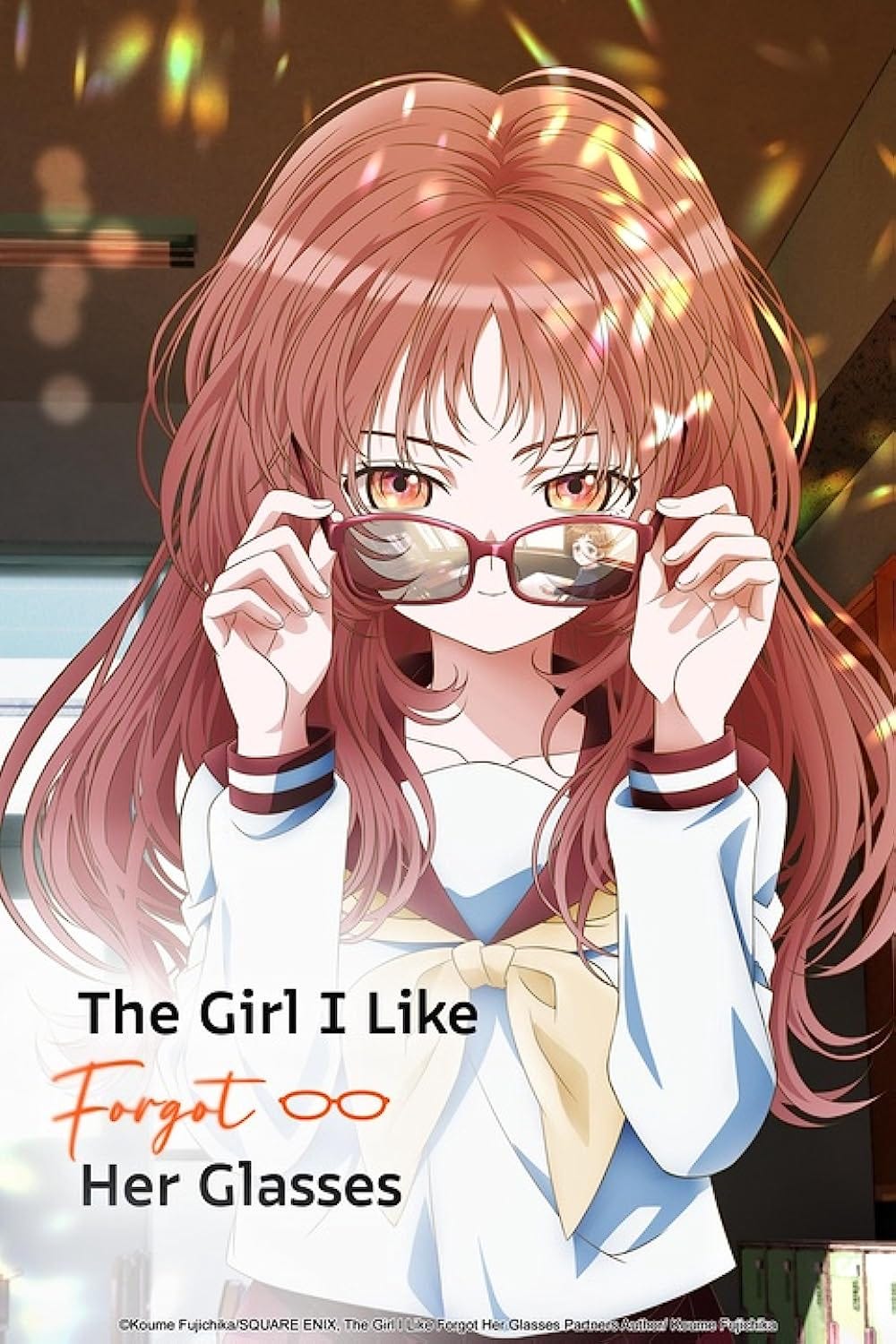
Plot: 6/10 - The concept of Mie forgetting her glasses was cute and fun at first, but it began to drag pretty quickly. I’m surprised the term “legally blind” wasn’t mentioned at all with how dependent Mie is on her glasses. I also feel like if she’s forgetting them every day, that’s a bigger problem that should’ve been addressed. And as far as I could tell, there wasn’t much of an attempt to get her to remember them. This one definitely grew on me the closer our protagonists got, but it still felt like Mie carried the duo. Komura's a bit too animated in his reactions, but they share a lot of cute scenes together.
Characters
Protagonists: 7/10 - Again, I like Mie more in this duo and felt like she was the one carrying the friendship. Komura’s a bit too loud for my liking even if he’s just a middle schooler.
Supporting Cast: 5/10 - They exist, but they don’t contribute much in the grand scheme of things. Azuma and Someya were the only supporting cast members that were notable in my opinion, and even then their influence was constrained to a single episode. I would’ve liked it if they were more involved with Komura and Mie across multiple episodes.
Genre: 6/10 - There are other fluffy romances I’d recommend before this one. Not a lot of them take place in middle school, but Tsuki ga Kirei is one anime that stands out as a direct comparison.
Art/Animation/Design: 6/10 - It’s GoHands. The first 3-4 episodes are a visual nightmare plagued by questionable camera angles and overuse of 2.5 and 3D CG. It’s completely unnecessary and slightly off-putting at best. But once GoHands learned to dial it down in the second half of the show, the A/A/D was much more tolerable. Also, Mie’s hair is one of the best visuals to come out of this show.
Music: 4/10 - Meh. OP was ok. I wasn’t a fan of the ED.
Final Score: 6
Would I recommend? Probably not. Watch Tsuki ga Kirei if middle school romances interest you. If this anime gets a second season, I don’t plan on watching it unless another studio is in charge. I don’t think I can take another season with GoHands.
My Happy Marriage (Kinema Citrus)
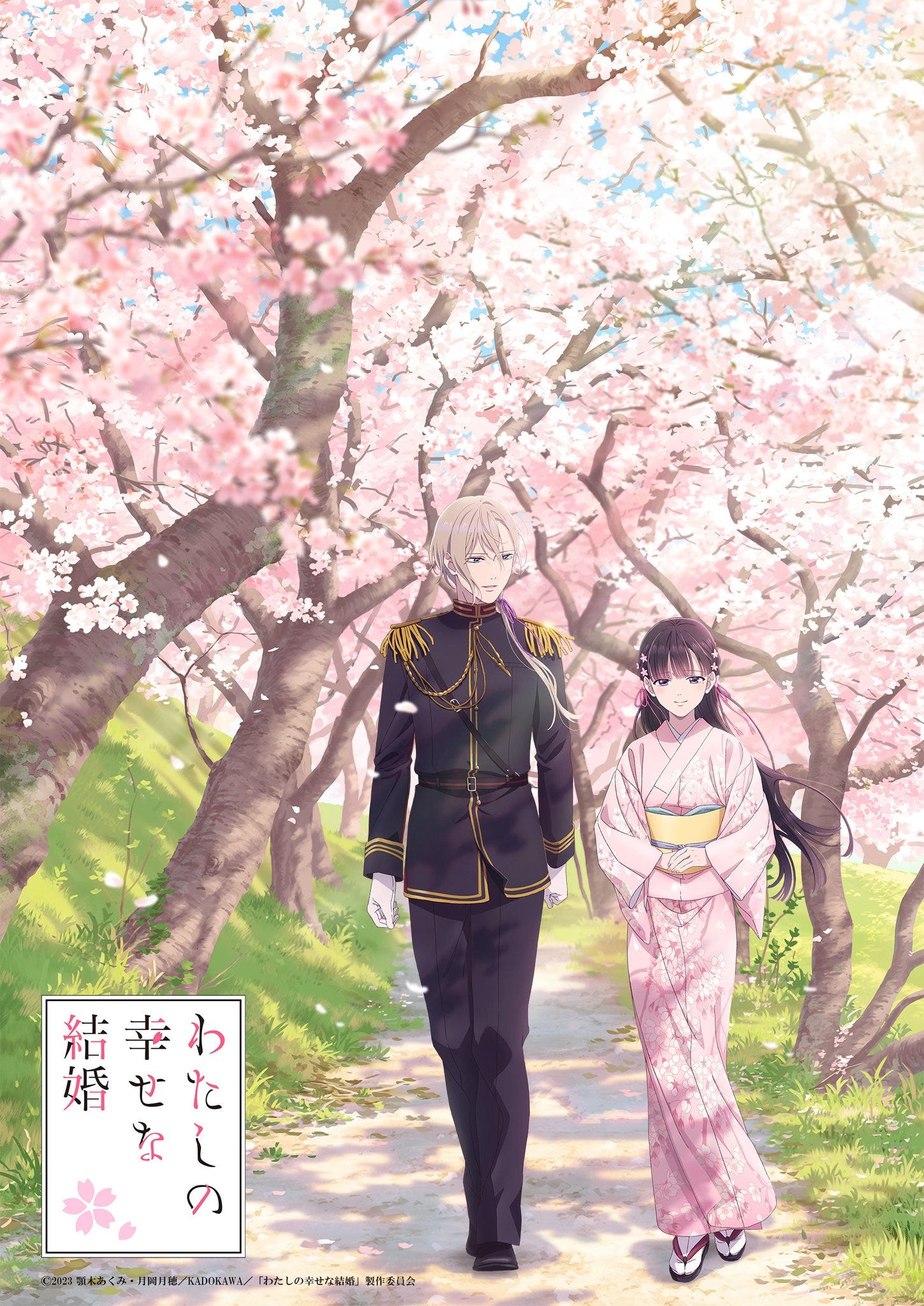
Plot: 9/10 - Splitting up the season into two distinct characters arcs was a surprisingly good decision. Although the first six episodes were paced better than the last six, I thoroughly enjoyed witnessing the Saimori family receive their comeuppance and Miyo saving Kiyotaka from the grotesqueries. Really badass moments from the two of them. I wish the supernatural elements were more fleshed out, but other than that I enjoyed the historical fiction aspect of the show on top of the romantic focus.
Characters
Protagonists: 9/10 - I’m gonna dock a point here because of the way Miyo’s character development was handled in the second half of the show. She came out of the first arc looking much stronger, and I was looking forward to her riding that momentum. However, she stumbles and regresses a bit after the internal conflict between her and Kiyotaka is introduced, which is fine but she needed to come to her own conclusion(s) much faster. It can’t just be Kiyotaka stepping up to the plate every time. Yes, trauma can take time to overcome, but within the confines of a 12-episode anime, I need that resolution to come by episode 9 the latest.
Supporting Cast: 7/10 - If 90% of the supporting cast wasn’t deplorable, this might’ve been an 8. Typically, I can excuse a morally bankrupt character if they’re written with enough complexity. That's not the case with the Saimori or Usuba families. Karma finally caught up to the Saimori family after the way they treated Miyo, and the Usubas (fully knowledgeable) did nothing and let Miyo suffer. Miyo’s grandfather’s apologies fell flat on me, and Arata confused the hell out of me. “We can’t let anyone know about your power” > proceeds to tell a room full of people Miyo can wake Kiyotaka using her power. With a second season in the works, I really hope some act of repentance is in store for the Usubas because they have no right to call themselves the “good guys.”
Genre: 9/10 - I’m gonna give this one a 9 because the chemistry between Kiyotaka and Miyo didn’t feel right until episodes 6 and 12. The romance didn’t feel gradual and hits you all at once. Perhaps that’s because a lot of the plot is spent on Miyo overcoming her self-hatred and realizing she’s worthy to be by her husband’s side. Regardless, it’s still very solid for a romance anime.
Art/Animation/Design: 10/10 - Easy 10/10. The character designs were fantastic. I absolutely love historical fiction because the character designs are almost always well-done. The kimonos, action sequences, scenes of Sumi sealing Miyo’s power within the cherry blossom - all chef’s kiss.
Music: 10/10 - The OP and ED are fantastic, I love riria, and the score was superb.
Final Score: 8.9 > 9
Would I recommend? 100% yes. If you’re into romance or historical fiction with supernatural elements, My Happy Marriage will be a great addition to your watch list. The series is available on Netflix, so accessibility is less of an issue. However, with any series picked up by Netflix, I encourage you to watch the show elsewhere to get better subtitles.
Liar Liar (Geek Toys)
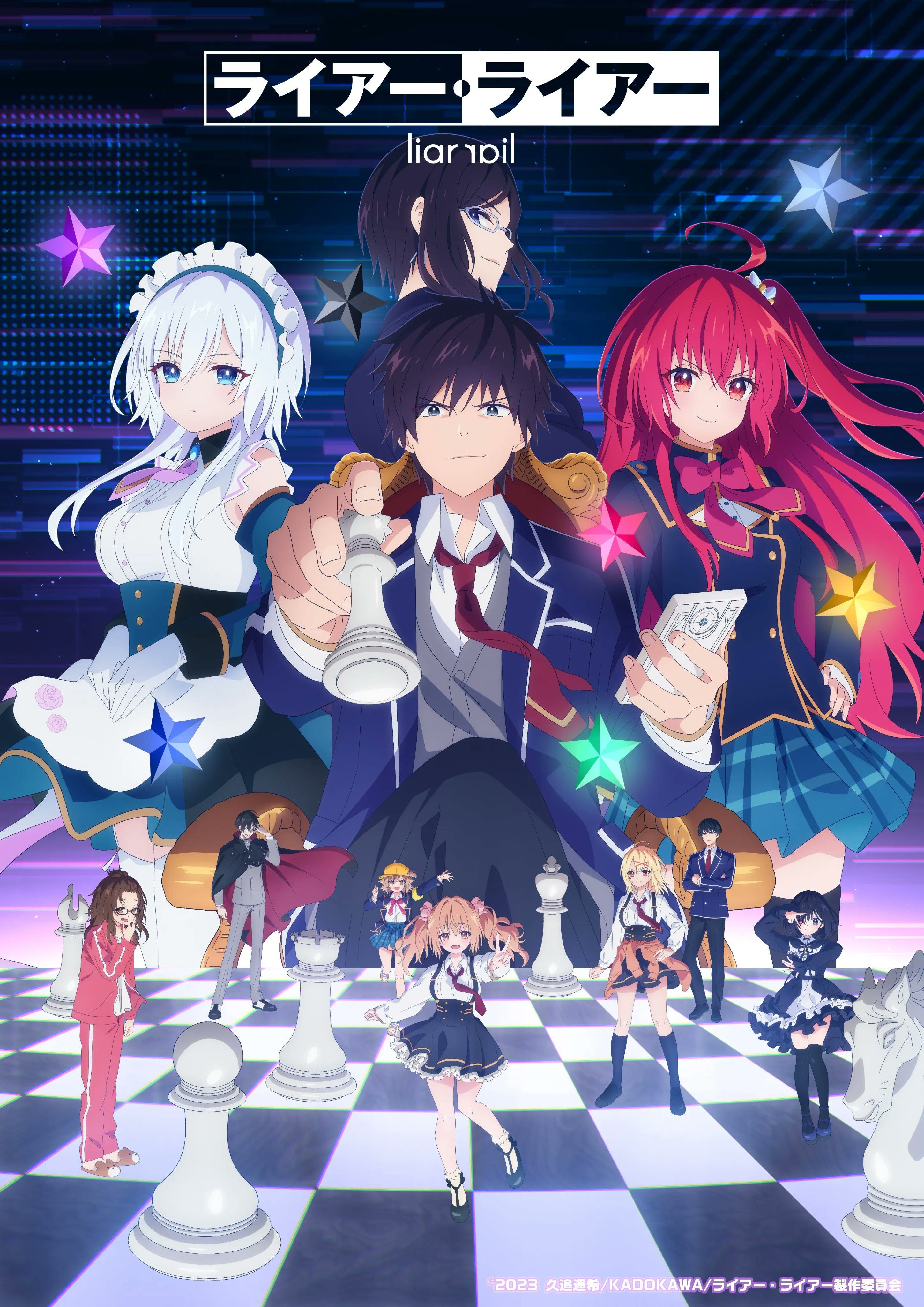
Plot: 5/10 - What started off as a fun premise quickly devolved into what I’d described as tangled spaghetti. By the time the ASTRAL competition began, I couldn’t keep up with the show’s ridiculous antics. I’d expect some sort of structure in place given the MC must use his cheats to maintain his reputation. But that doesn’t work if everyone resorts to underhand tactics. Everyone is pulling out wild, game-breaking abilities and weapons just to move the plot forward, which doesn’t make for a compelling narrative. On top of that, the plotline of who Hiroto is searching for is completely sidelined to make way for the ASTRAL competition, which I wasn’t particularly a fan of. I wasn’t necessarily rooting for him, but because he’s the main character I had no choice but to pay attention to him. In general, the anime had a ton of potential but wasted it by making the games unnecessarily complicated.
Characters
Protagonists: 6/10 - Again, I’m pretty mid on Hiroto; he’s fine for a protagonist, but his motivation and drive were lacking. I was intrigued by his desire to find someone specific by coming to Academy Island, but it’s a plot point that’s barely touched upon. Sarasa and Shirayuki were okay for the archetypes they played.
Supporting Cast: 6/10 - This is frustrating because the supporting cast that was introduced in the ASTRA competition had a lot of potential, but we didn’t get to know them very well aside from who they are at a surface level. I was especially drawn to Kururugi, who I thought was a total badass. Shiina was also a fun character given her chunni-ness, but I can’t say that her identity as Ms. 100 Faces was unexpected. I think Noa was redeemed too easily, and she became rather useless after her stint kidnapping Shirayuki. As for the main villain Kurahashi, he was extremely disappointing. I can’t believe this man took not just one but two Ls in the span of a single season. At least tell us he’s working under someone else. A very underwhelming villain who I didn’t perceive as a real threat at all.
Genre: 3/10 - There are way better psychological, high stakes game anime out there to watch including No Game No Life, Kakegurui, and Tomodachi Game.
Art/Animation/Design: 7/10 - It’s a shame that this anime’s plot and characters are mid because the A/A/D is actually pretty good. I just wished it was utilized in a way that made it all worth it.
Music: 7/10 - The OP and ED were good, but I’m kinda miffed by the fact that the OP was skipped for several episodes for the sake of more screen time. Typically, anime will do this when the episode is at a turning point in the series, but I didn’t really feel that at all, especially given the underwhelming finale episode.
Final Score: 5
Would I recommend? Definitely not. This felt like an anime that was made exclusively to advertise the light novel it’s based on, and I really don’t like shows that are straight-up cash grabs.
The Backlog
Teasing Master Takagi-san: Season 1 (Shin-Ei Animation)
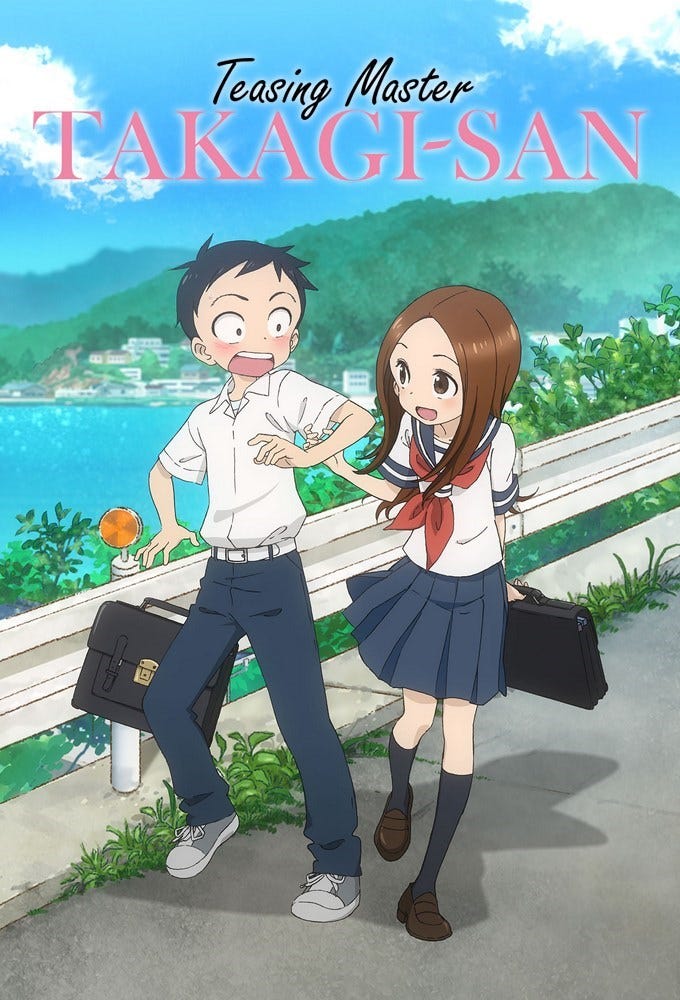
Plot: 6/10 - The initial concept was cute: two middle schoolers, who obviously like each other, with one of them teasing the other. But the novelty wore off pretty quickly. I’m a more serious person, so I don’t take jokes very well. And so I sorta felt bad for Nishikata, who could barely get Takagi-san to feel embarrassed. It sucks to be the butt of every joke. I would’ve been annoyed too if I were in his position. I’m surprised he didn’t try giving her the cold shoulder to see how she’d react. This show made me realize why Love is War works so well; it’s because both protagonists are trying to get a reaction out of the other (plus it’s 10x funnier).
Characters
Protagonists: 6/10 - Nishikata and Takagi-san remained stagnant for the most part. And while that’s to be expected from a show tagged “Romantic Subtext,” I still didn’t like it much. That being said, I’m glad there was a small breakthrough in the last two episodes for Nishikata. And I’d be lying if I said their friendship wasn’t fun to watch at the start.
Supporting Cast: 5/10 - The group of three girls (Sanae, Mina, and Yukari) apparently come from a spin-off manga that was integrated into the show. They were pretty hit or miss for me and hardly did anything to affect the main plot. And I probably wouldn’t watch an anime dedicated to just these three girls alone.
Genre: 5/10 - Compared to other shows with romantic subtext, this one is middle of the road.
Art/Animation/Design: 5/10 - Nothing special nor anything that stood out to me.
Music: 6/10 - The OP and ED were skippable, but I did like the songs when I did listen. One thing I noticed was that for episodes 9 and 10, the ED sound oddly familiar, and that’s because it’s the same ED as The Angel Next Door Spoils Me Rotten (just different singers). I think this is the first time I’ve watched an anime that’s shared an ED with another anime.
Final Score: 5.65 > 6
Would I recommend? No. If you’re looking for romantic subtext, I’d recommend Love is War first and foremost then Komi-san. I probably won’t be watching season 2 unless someone has a compelling reason for me to do so.
The Asterisk War: Season 2 (A-1 Pictures)
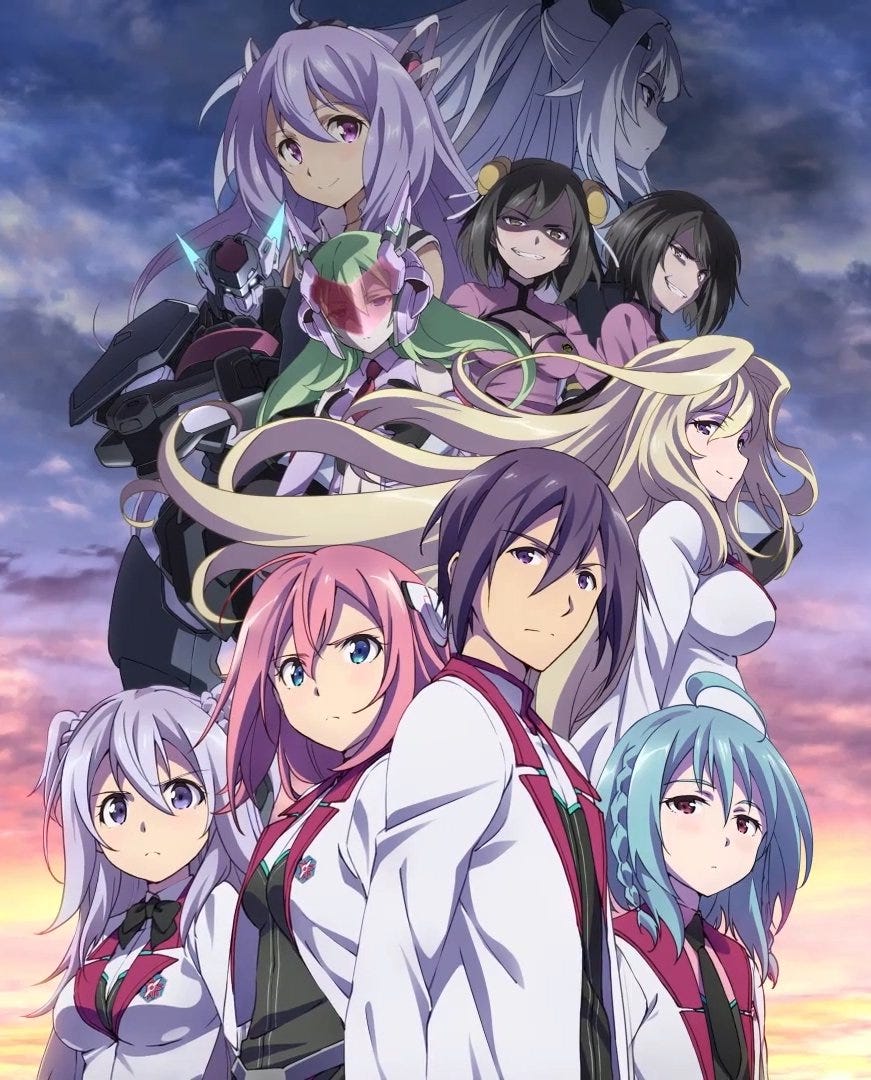
Plot: 6/10 - To be frank, this season was very boring. Watching Ayato and Julis barrel through their Phoenix Festa opponents got old rather quickly. I actually liked their fight against the Jie Long twins than their finals match against the mecha fighters. We get to know more about Ayato’s relationship with his older sister, but no progress was made to find her until the very last episode, which, let me tell you, introduced way too may new plot points and left many questions unanswered. The last four episodes were extremely rushed; I would’ve been content if the season’s end coincided with the end of the Phoenix Festa.
Characters
Protagonists: 6/10 - In my review of season 1, I was hoping that Ayato and Julis would deepen their relationship and perhaps become a couple. Sadly, this doesn’t happen. They remain stagnant for the most part.
Supporting Cast: 6/10 - I’m gonna start quoting from my season 1 review as a lot of it can be used as a basis for my critiques.
“Claudia is relegated to the sidelines and is merely an observer along with Yabuki, Ayato's friend and roommate. Speaking of which, I didn't understand why the show portrayed their conversations in such a shady manner. It's as if they're scheming together by watching over Ayato, Julis, Saya, and Kirin, but nothing ever comes of this. It leaves me wondering just how many "bad guys" are after our main cast. Are Claudia and Yabuki the "good guys" or not? It was a bit unclear, and I just wish there was more to Claudia's character than simply being a flirt in front of Ayato.”
I still feel the same way as I did in season 1.
“I really liked Saya as a character, and I totally loved her carefree vibe. However, I wish we got to know more about her and her relationship with Ayato when they were younger. We are introduced to Saya as a childhood friend Ayato hasn't seen in years, and they instantly reconnect as if no time had passed at all. Even just one flashback to when they were kids or something to justify their closeness would've been nice to round out her character, which I thought received adequate attention.”
This improved, which I’m happy about.
Flora was meh, and I wish more was done with Kirin’s character. The latter had a great moment when she dealt the finishing blow to Flora’s kidnapper, but other than that she hardly stood out.
Genre: 6/10 - Chivalry of a Failed Knight clears.
Art/Animation/Design: 7/10 - I liked pretty much everyone’s character designs. The fights weren’t bad either, especially the fight against the twins.
Music: 6/10 - OP and ED were skippable, but the score was decent.
Final Score: 6.05 > 6
Would I recommend? No. And I’ll quote my season 1 review as to why.
“If you're a fan of battle school harems/romance, I'd definitely recommend watching Chivalry of a Failed Knight over Asterisk War. If you've seen Chivalry already, I think you'll like Asterisk War, but you'll definitely notice some glaring similarities that Chivalry did a lot better. For one, the romance is handled much better in Chivalry than in Asterisk War; it takes a back seat for the action, but even the action in Asterisk War pales in comparison to Chivalry's. You'll find that rooting for Ikki Kurogane is much easier than rooting for Amagiri Ayato because the former has a better motive to keep fighting. At the end of the day, both shows seem to have overlapping types of fans, so whichever you choose to watch first you'll probably end up liking more.”
Blue Orchestra (Nippon Animation)
Plot: 7/10 - It was good. I think 24 episodes in two consecutive cours was a great decision for a show like this. From teaching Akane the basics of violin to Aono reckoning with his father’s reputation as a renowned violinist to Aono’s rivalry with Saeki, there was a lot of drama to go around. Maybe I would’ve liked it if more romance was involved, but I’m satisfied with what we got.
Characters
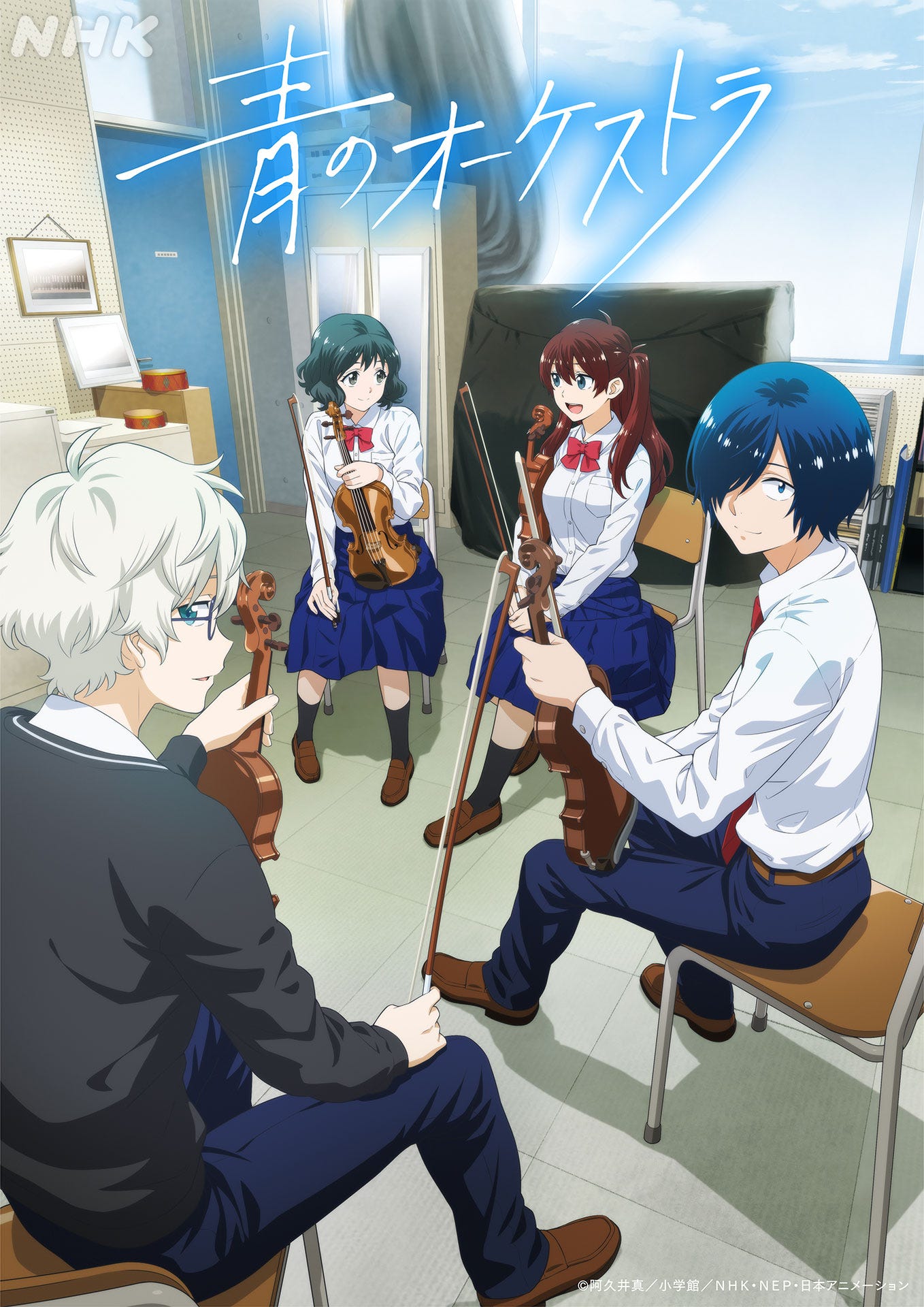
Protagonists: 7/10 - The core four in the poster above were built up very well. Never once did I think the pacing was off when the focus was on Aono’s relationship with one or more specific characters.
Supporting Cast: 7/10 - Also good. The third years have this B story going on where they’re trying to do their best leading up to their final performance while also setting an example for the first years. I found myself invested in them more than I thought, and by the end it looked like their hard work finally paid off.
Genre: 7/10 - For a coming of age anime about musicians, it was good. The last few episodes starting with the twist involving Saeki and Aono were the best in the show in my opinion.
Art/Animation/Design: 5/10 - It was ok. While I understand that CG was the only way to nail the individual movements of the instruments (and possibly budget issues), it still looked a bit weird at times. Character designs aren’t too unique and sometimes felt a bit flat.
Music: 9/10 - Your Lie in April gave me a deeper appreciation for classical music, and Blue Orchestra is no exception. The OP and ED were also really good too.
Final Score: 7
Would I recommend? If you’re into music (especially classical), you’ll definitely want to watch this one. But not before completing Your Lie in April. Only then can you watch Blue Orchestra. I think if I were more musically inclined, I would’ve given this one an 8, but this anime definitely has the right stuff to make it a decent show. I just wasn’t the target audience. Shoutout to the fansubbers who carried this one. I’ll forgive your overt use of British slang just this once. Season 2 has already been confirmed, so hopefully a streaming service can pick up the licensing rights and give Blue Orchestra the professional subbing treatment it deserves.
Life Updates
I finally finished editing all of the content I filmed during my vacation to Japan back in May! Over the course of November, I’ll be releasing a mix of full-length vlogs and short-form content on social media! The first vlog is up right now, and you can check it out here! Please like the video and subscribe! It helps out a ton. And be sure to follow me on Instagram and TikTok for when the shorts content drops!
If you’ve watched or end up watching any of the shows I reviewed, let me know on social media! I’m always down to talk anime, and I’d love to hear everyone’s thoughts. Until next season! See ya!