
Winter 2025 Wrap-Up
We have a long road ahead of us...

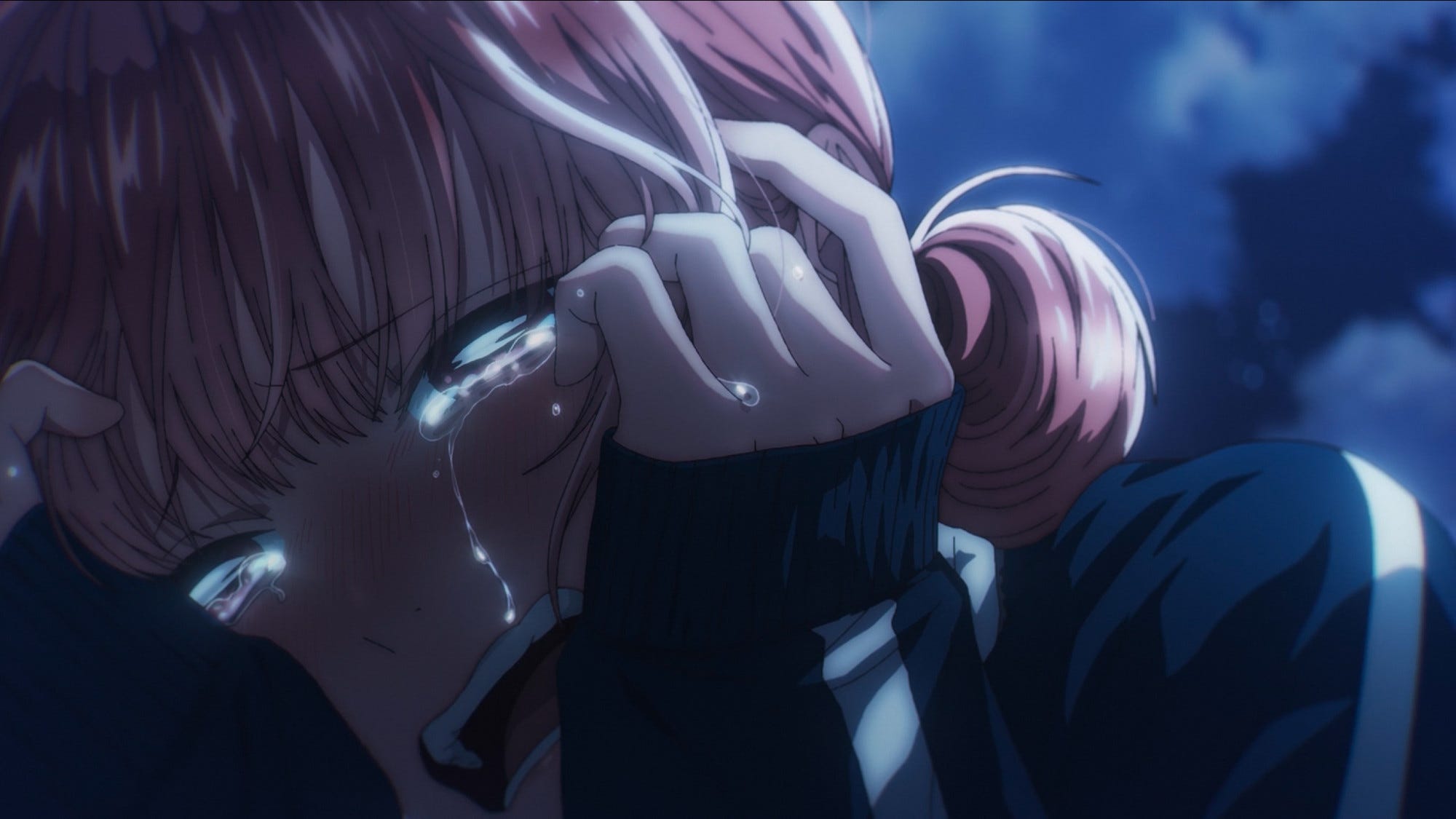
Between my trip to Japan in late February and early March, along with wrapping up my responsibilities as a juror for the r/anime Awards, I haven't been able to keep up with as many winter 2025 seasonal anime as I'd hoped. Despite this, I still wanted to stay engaged with the season, so I carefully selected a few titles that stood out to me and took a bit of a gamble on one of them.
The first two choices were straightforward: the second season of The Apothecary Diaries, which will continue airing until the end of spring 2025, and Blue Box, the much-anticipated romance anime that premiered last fall. For my third choice, I was stuck deciding between the second seasons of Hyakkano: The 100 Girlfriends and My Happy Marriage, ultimately settling on Hyakkano. My fourth pick was more spontaneous—I Have a Crush at Work, a romance anime set in a workplace environment, a rare find within its genre.
Most of the titles under my backlog were required viewing for my duties with the r/anime Awards. Exceptions include The Colors Within, which I watched in theaters, and Nigewaka: The Elusive Samurai, a sleeper hit from last summer that I intended to finish in 2024 but unfortunately didn’t.
Finally, after three years and 151 episodes, Yu-Gi-Oh! Go RUSH!!, the eighth installment of the Yu-Gi-Oh! anime franchise, has concluded. As of writing this, there’s no indication of a ninth series on the horizon, though we do have Yu-Gi-Oh! CARD GAME THE CHRONICLES slated to debut later this month.
TL;DR If you’re only interested in my ratings:
New Shows
I Have a Crush at Work - 9/10
Blue Box (Season 1) - 7/10
Sequels
Hyakkano: The 100 Girlfriends (Season 2) - 10/10
Yu-Gi-Oh! Go RUSH!! - 7/10
The Backlog
Nigewaka: The Elusive Samurai (Season 1) - 7/10
Bakemonogatari - 7/10
Kizumonogatari
Iron-Blooded (Pt. 1) - 7/10
Hot-Blooded (Pt. 2) - 8/10
Cold-Blooded (Pt. 3) - 7/10
Mashle: Magic and Muscles
Season 1 - 6/10
Season 2 - 7/10
The Colors Within - 7/10
Kimi ni Todoke: From Me to You (Season 3) - 6/10
Urusei Yatsura (2022)
Season 1 - 7/10
Season 2 - 7/10
New Shows
I Have a Crush at Work (Blade)
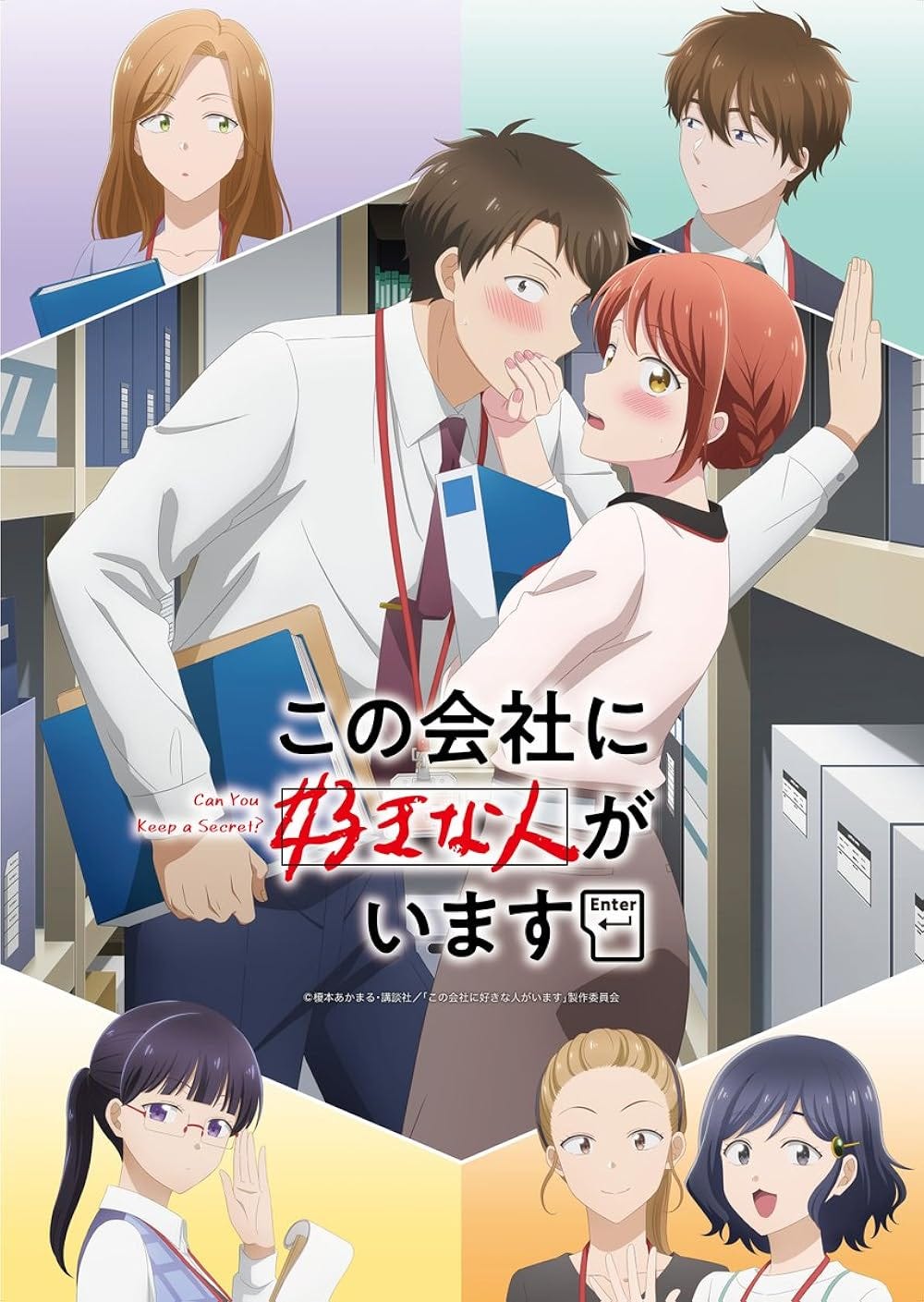
Masugu Tateishi and Yui Mitsuya started working at Tsuda Confectionery at the same time, but you'd never guess they had anything in common from the way they constantly butt heads. Known around the office as fierce rivals, they're infamous for their heated arguments and sharp remarks. But beneath this public hostility lies a surprising truth—the pair secretly harbor strong feelings for each other and have quietly started dating.
Determined to keep their relationship hidden from workplace scrutiny, Yui and Masugu ramp up their feigned animosity as a cover. But keeping their romance under wraps proves increasingly challenging as their affection grows deeper, leading to plenty of awkward moments and close calls. Balancing their secret love and professional personas becomes a tricky dance, testing just how long they can maintain their carefully constructed facade.
If you’ve ever been looking for a solid office romance anime that doesn’t feel like a re-skinned high school drama, I Have a Crush at Work might be the one. I went into it not knowing what to expect, and I came out pretty impressed. This is exactly the kind of adult relationship story I’ve been waiting for—one where the romance feels realistic and the workplace isn’t just set dressing.
When people talk about office romance anime, the go-to is usually Wotakoi: Love is Hard for Otaku. 365 Days to the Wedding scratches a similar itch, but it never really nailed the dynamic I was looking for. I Have a Crush at Work fixes that. It puts two adults in a relationship from the start and lets them act like, well, adults. No cartoonish overreactions or teen-style dramatics—just believable behavior and mature chemistry.
What I really appreciated is how the show actually uses the workplace setting in meaningful ways. Yui works in the planning department at a sweets company, and Masugu is in accounting. We get to see them tackling work-related problems, navigating office dynamics, and celebrating wins that matter professionally. It’s rare for an anime to treat the job part of an office romance like it matters, but this one does.
And yeah, Yui and Masuku are cute af. From the first episode, they’re already on a first-name basis and yes, they sleep together. It’s surprisingly refreshing to see intimacy treated like a normal, healthy part of a relationship without turning the show into an ecchi comedy. The show sprinkles in humor but always centers the romance. Sex isn't used for shock value. It’s just there—part of their lives, part of their bond.
Additionally, Yui and Masugu push each other to grow, both emotionally and professionally. Yui lands a product design, and Masugu passes his bookkeeping exam. You feel the mutual motivation. It’s a dynamic that keeps things interesting and grounded. They even get into arguments—like over a vacation—and it never feels forced. Just normal couple stuff, handled with care.
Even when misunderstandings pop up, like Yui thinking Masugu is hiding something from her, the show doesn’t milk it. They talk it out. They resolve things. That might sound simple, but it’s a big deal in romance anime, where drama can drag for 2-3 episodes. And when Somei, their coworker, finds out about their relationship, it’s handled with maturity and subtlety. That respect for realism is all over this show.
One downside, though: the production is weak. The background art and character animation are passable at best. The show didn’t even get licensed by a Western distributor. Thankfully, there was passionate fansubber who did an incredible job with regular releases. It just sucks that a story this strong didn’t get the polish it deserved.
Still, the writing more than carries it. Even the side couple—Hayakawa and Somei—gets real development. Their age gap relationship is explored with thought and care. The show doesn’t just toss in a B-plot romance to pad time. It builds it up over multiple episodes, giving their dynamic room to grow. I loved how the show trusted the audience to care about both couples.
The show sticks the landing for the most part. Yui finally opens up to her close friends about her relationship. We get a flashback to Masugu asking her out. It ties everything up in a way that feels earned. I would’ve liked a little more payoff when both couples (Somei and Hayakawa plus Masugu and Yui) discover each other’s secrets, but it’s a minor gripe. If this is all we get, I’m satisfied. This is easily the best office romance anime I’ve seen.
Final Score: 9/10
Plot - 10
Protagonists - 10
Supporting Cast - 9
Genre - 10
Art, Animation, and Character Design - 6
Music, Sound Design, and Voice Acting - 6
Blue Box (Season 1) (Telecom Animation Film)
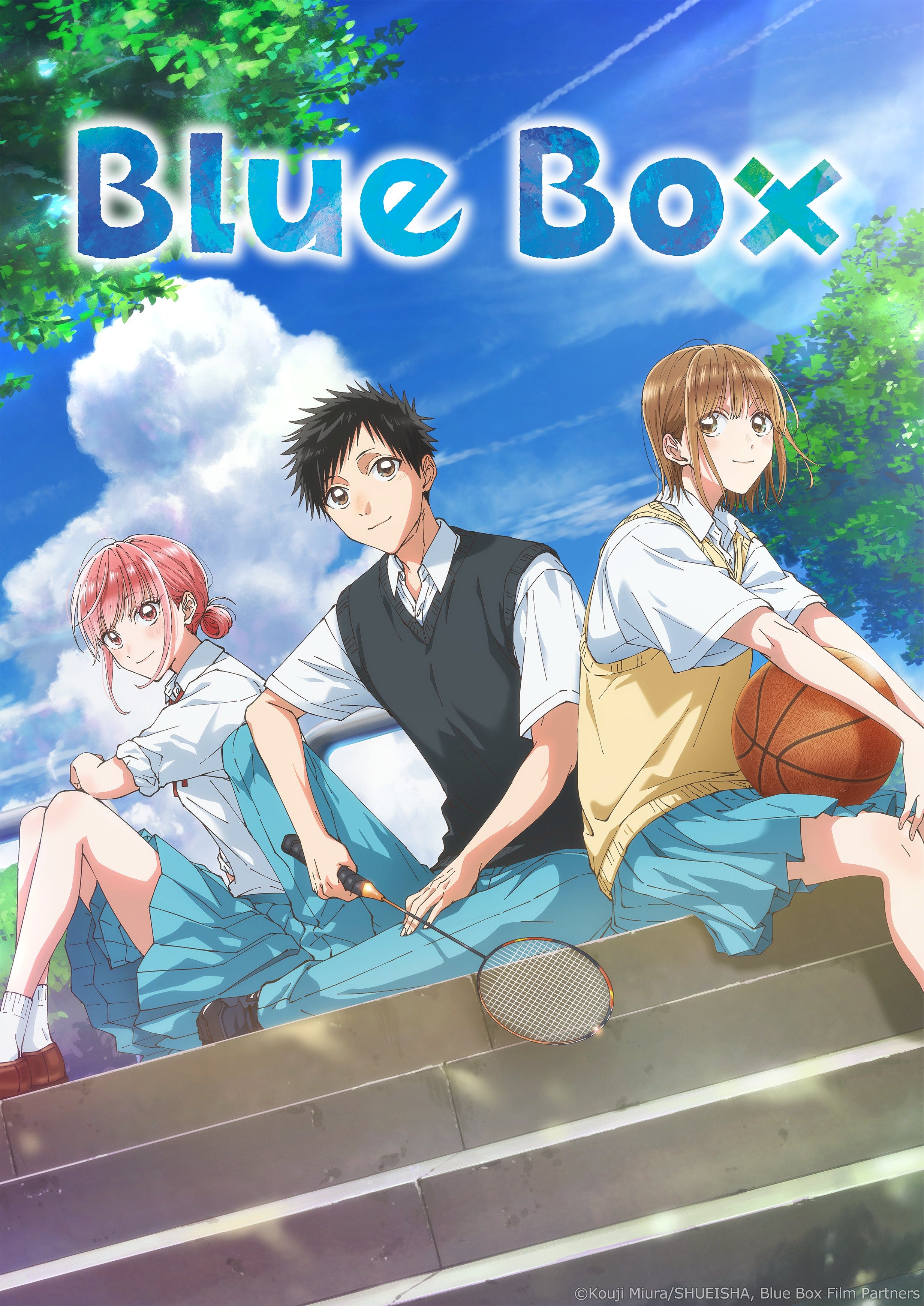
Every morning, Taiki Inomata arrives early at his school's gym, diligently practicing badminton, though his true motivation lies beyond athletics. Sharing the gym with Chinatsu Kano, the admired star of the girls' basketball team, Taiki has developed a heartfelt crush. Initially hesitant and shy, Taiki's fortunes shift dramatically when Chinatsu unexpectedly moves into his home after her parents relocate overseas.
Now living under the same roof, Taiki sees an opportunity to foster a deeper connection, aiming to support Chinatsu in her quest for basketball glory at nationals while pushing himself to rise through the ranks in badminton. Encouraged by Chinatsu and his supportive childhood friend, the gymnast Hina Chouno, Taiki faces daunting challenges to secure a spot on the competitive badminton team. As both athletes chase their dreams, the lines between their personal ambitions and blossoming feelings blur, intertwining sports, friendship, and first love in their journey toward national recognition.
Overall, I liked Blue Box. The show wraps up in a way that's intended to feel cathartic, particularly in the last three episodes. But from the beginning, it was pretty obvious where things were headed—no real twists or surprises here. Taiki rejecting Hina was predictable yet necessary. Even though Hina is clearly the best girl in my eyes, her and Taiki's situation wasn't healthy. She needed to move on, and Taiki had to stop being indecisive.
The character moments felt real and believable. The teenagers acted like actual teenagers, which is always a plus. Yet, despite this realism, the romance didn't fully land for me. I watch romance anime to feel warm and fuzzy, and I only really got that when Taiki and Hina were bantering. Knowing Hina was ultimately going to lose made these moments bittersweet.
In fact, by the end, I was far more invested in Hina’s personal growth than in the main romance between Taiki and Chinatsu. Hina’s emotional journey seemed more compelling because it dealt with genuine heartbreak and moving forward. Meanwhile, Chinatsu didn't receive enough attention to make me truly care about her relationship with Taiki. She was portrayed as almost too perfect, the school idol who excels in basketball. But unlike Taiki, who faces setbacks and grows from them, Chinatsu’s sports arc remained mostly superficial. We rarely saw her basketball matches or her internal struggles. This lack of depth made her seem bland compared to characters like Hina or even supporting characters like Ayame and Hyodo, who felt more dynamic despite their limited screen time.
Speaking of the supporting cast, they were all surprisingly enjoyable. Each character brought something memorable to the table, except perhaps Kyo, who felt more like a plot device than an actual character. He was often the voice of reason, nudging the plot forward without having much of an arc himself, almost like a self-insert for the audience. While he did have some nice interactions with Ayame towards the end, it wasn't enough to make him stand out positively.
The visuals were a highlight throughout. Right from the first episode, Blue Box impressed me with its beautiful close-ups and lighting. The animation during badminton scenes was particularly good, even if it wasn't groundbreaking as a whole. However, I noticed the quality peaked pretty early and moments of "absolute cinema" were hard to come by after the halfway point.
The first opening and ending themes were enjoyable, but I ended up skipping the second set, mainly because they highlighted Hina's impending emotional turmoil. I just didn’t want the constant reminder that she would eventually lose.
One significant issue I had was pacing. The first half had strong momentum, but the last few episodes dragged, especially with the introduction of Ayame. It seemed odd to spend valuable screen time pushing Taiki and Hina closer when that relationship was obviously doomed. Instead, Chinatsu’s feelings could've been explored more, giving the finale greater impact.
By the season’s end, the main romance between Taiki and Chinatsu felt unresolved. They still maintained a noticeable distance, lacking the clear progression seen between Taiki and Hina. Despite Taiki’s rejection of Hina, nothing substantial developed between him and Chinatsu, leaving the ending flat and unsatisfying.
Blue Box was a solid watch but fell short of amazing. Its strength lies in the realism of character interactions, the compelling supporting cast, and strong visual presentation. It's very much a slow burn romance, so if that's not your speed I think it's totally reasonable if you skip this one. All I know is that going into season 2, I'm more interested in how Hina bounces back from this and finds her own happiness over where Taiki and Chinatsu's relationship goes from here.
Final Score: 7/10
Plot - 7
Protagonists - 7
Supporting Cast - 8
Genre - 6
Art, Animation, and Character Design - 8
Music, Sound Design, and Voice Acting - 7
Sequels
Hyakkano: The 100 Girlfriends (Season 2) (Bibury Animation Studios)
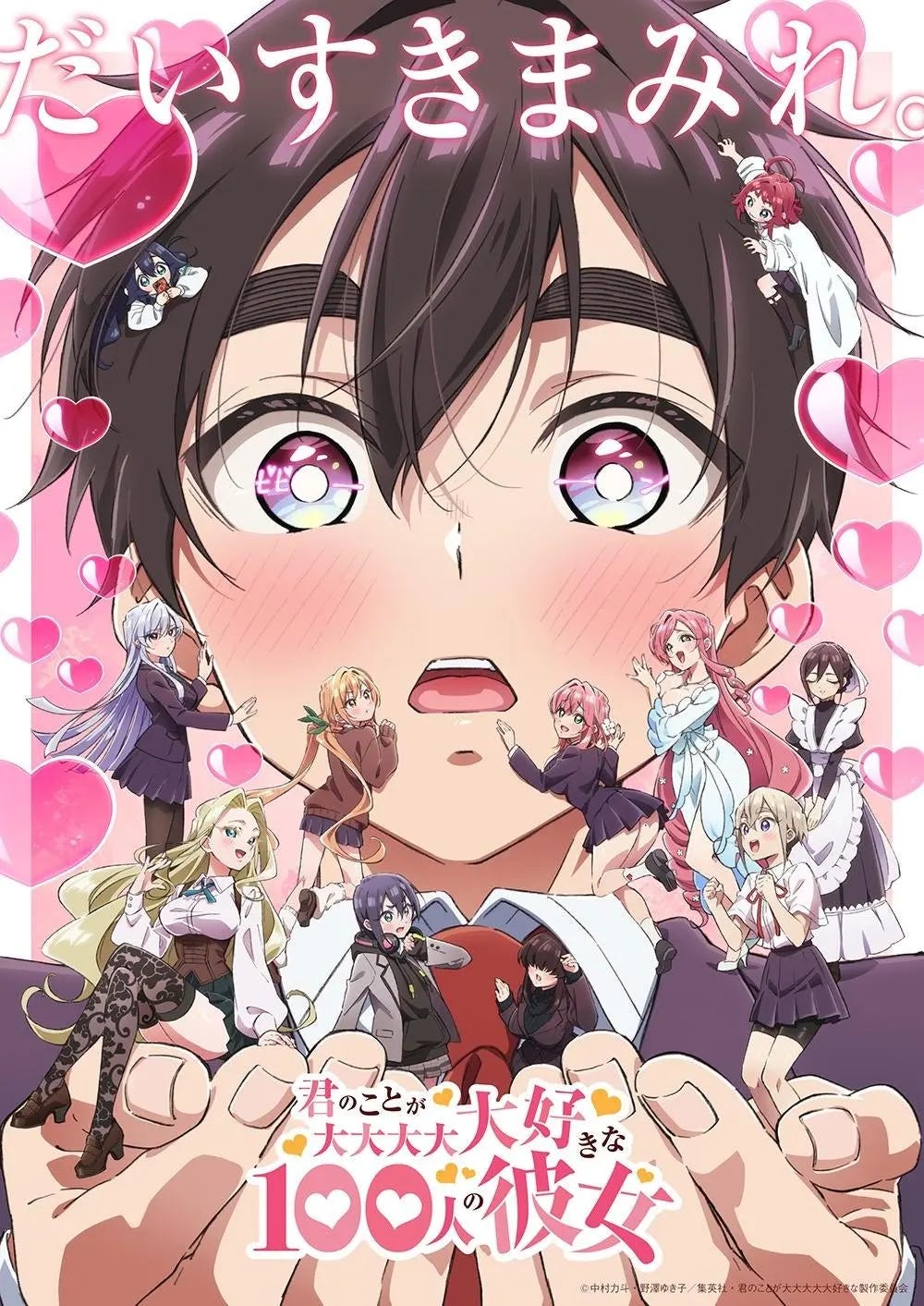
I'd genuinely forgotten how hilarious this show is. At its heart, it's a harem rom-com, but the comedy is its strongest aspect by far. Season 2 reminded me just how good this series is at using humor, especially with its frequent meta jokes and constant fourth-wall breaks.
One thing that's clear from watching is that the anime staff had a ton of fun making this show. The pop culture references are sharp, and the comedic timing feels carefully crafted. Bibury Animation Studios did a fantastic job with the animation this season, keeping things visually engaging, especially with exaggerated character expressions that heighten the comedic moments. There was one episode that used a decent amount of CG to animate Hahari's hair going wild that looked slightly off-putting, but it wasn't enough to detract from my overall enjoyment.
I liked how each episode introduced and developed the new girlfriends while still giving plenty of love and attention to the characters from season 1. With 11 girlfriends in the harem by the end of this season, you’d think things would feel overcrowded, but somehow, it all feels balanced. For example, while Iku was introduced, she shared the spotlight with Shizuka and is the reason why everyone in the Rentaro Family locks in to win the baseball game in the end. When Mimimi-senpai is introduced, we get backstory that involves Nano, and the two eventually reconcile as friends. Hahari gets her own episode dedicated to her, and Karane gets two episodes that reveal how insecure she is about her tsundere personality. I'm slightly disappointed that Kusuri and Hakari didn't get the same treatment, but their presence throughout the season was quite noticeable so I didn’t mind it as much. Out of the five girlfriends that were introduced this season, Meme is probably at the bottom just because we already have a character that struggles with social anxiety in Shizuka. And I already don't like Shizuka as is mainly because of her gimmick. If I had to pick a favorite, it would probably be Mimimi.
The plot, characters, and comedy easily score high marks. The animation and music were solid, though perhaps not groundbreaking. Overall, season 2 was an absolute blast. It improved upon season 1 in nearly every way, managing a large cast effectively and keeping me laughing from start to finish. I'm already eager to see how the series handles even more girlfriends in future seasons. It's rare to see a harem anime juggle so many characters without dropping the ball. If you enjoyed season 1, you're definitely going to love season 2—it’s comedy gold.
Final Score: 10/10
Plot - 10
Protagonists - 10
Supporting Cast - 9
Genre - 10
Art, Animation, and Character Design - 8
Music, Sound Design, and Voice Acting - 8
Yu-Gi-Oh! Go RUSH!! (Bridge)
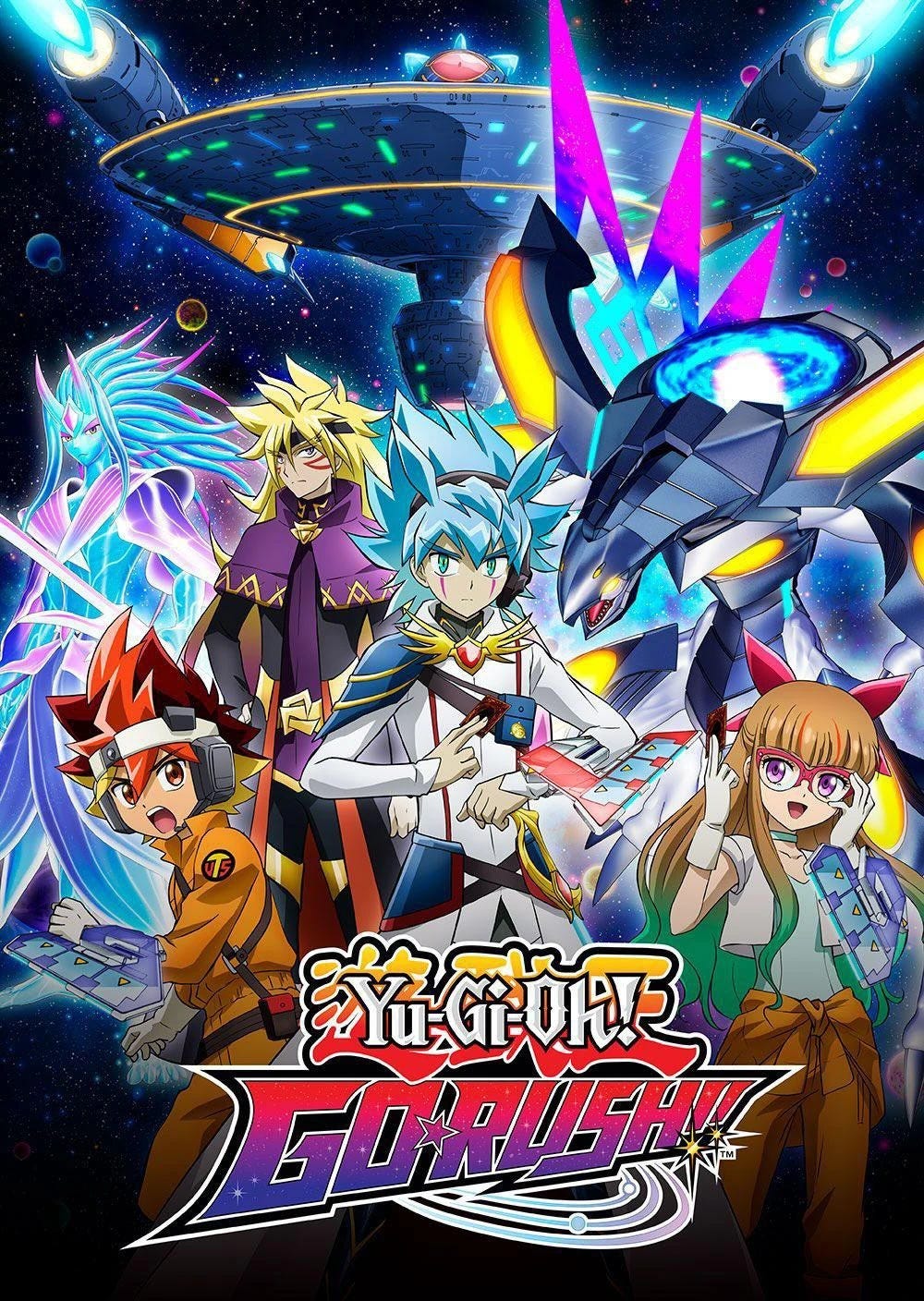
In the bustling town of Mutsuba, elementary schooler twins Yuhi and Yuamu Oudou run UTS, a quirky odd-jobs company specializing in alien investigations. Though they've never actually encountered extraterrestrial life, Yuhi clings to a belief that an alien stole a mysterious item known as the "Earthdamar."
Their world turns upside down when they stumble upon a crashed spaceship and meet Yudias Velgear, an alien soldier from the war-torn Velgear Star Cluster. Driven by the hope that a human card game called Rush Duel holds the key to his people's salvation, Yudias arrives on Earth seeking to learn its ways. Despite knowing nothing about dueling, he believes its spirit can guide his comrades to peace.
With Yuhi and Yuamu as his guides, Yudias begins his journey of discovery through Rush Duel. But their alliance soon draws them into a deeper mystery, linking their present to the past actions of a legendary duelist and the strange influence he left behind. As worlds collide and destinies intertwine, the trio find themselves at the center of a cosmic conflict far bigger than any of them imagined.
This one’s a little strange because it’s a sequel but not really. From my understanding, you can watch Go RUSH!! without having seen SEVENS, but you’ll have an easier time understanding the plot of Go RUSH!! if you’ve already watched SEVENS. It goes without saying that all of my reviews contain plot spoilers to some extent, but I’m reiterating that fact here since another show is involved.
After three years and 151 episodes, Yu-Gi-Oh! Go RUSH!! has finally wrapped up its run. The show continues the Rush Duel ruleset introduced in Yu-Gi-Oh! SEVENS but is set hundreds of years earlier. While the premise initially intrigued me, the execution varied quite a bit from arc to arc.
The first season starts slowly. Alien protagonist Yudias arrives on Earth, eventually learning Rush Duels thanks to Yuga Ohdo, a familiar face from Yu-Gi-Oh! SEVENS, who traveled back in time following the events of the SEVENS series finale. The early arcs introduce characters and concepts like the Earthdamar—Yu-Gi-Oh’s version of "aura"—but honestly, it only really picks up around eps. 11-13, with the clash between Yudias and his comrade Zwijo.
Unfortunately, the second arc didn't impress me. While it introduces Equip Spells as a new Rush Duel mechanic through Yuna Goha, the annoying dynamic between Yuna and Rovian (the ancestor of SEVENS’ Romin) made it hard to enjoy. Thankfully, both characters became more tolerable as the show the progressed.
The third arc, featuring The Lugh, upped the stakes by introducing Fusion summoning, which I enjoyed, though the quick redemption of villains was a recurring issue for me. Villains like The Lugh, Phaser, and Tremolo were set up as significant threats but often redeemed too swiftly, undermining tension.
Speaking of Phaser and Tremolo, the fifth arc introduced Maximum Summoning, but the brothers' early redemption felt unsatisfying given their tyranny throughout the arc. However, the sixth and seventh arcs improve significantly by introducing Kuaidul, a villain whose manipulative approach kept things engaging.
The final arcs of the show (8-11) were undoubtedly the strongest. The exploration of Monster Reborn’s devastating consequences and the ideological conflict between Yuga and Yudias raised the stakes considerably. Season 3 especially stood out with the conflict surrounding Yuamu becoming the Dark Meister.
The final arc was action-packed, featuring even more time travel and the debut of Ritual summoning. Watching Yudias, Yuuhi, and Yuamu team up to defeat Otis using Ultimate Trinity Stargazer made for an extremely satisfying finale. Still, questions about Otis lingered—he remains an enigmatic figure, and I hoped for more closure on his character after two series of wondering just who exactly he is.
Character-wise, the main trio—Yudias, Yuuhi, and Yuamu—were solid. Yudias was a particularly good protagonist, balancing seriousness and comedy well. Yuuhi's growth was incredible to witness throughout seasons 2 and 3, and Yuamu improved dramatically once she became an antagonist. However, some characters felt quite mishandled (e.g., Manabu, Damamu, Chupataro), who frequently frustrated me with cringe moments.
In terms of presentation, the animation was consistent, especially impressive during key duels. The voice acting was reliably strong throughout as well. Music-wise, the openings and endings were solid but not memorable enough for me to put on my playlist.
Yu-Gi-Oh! Go RUSH!! was enjoyable but uneven. If you're new to Rush-era Yu-Gi-Oh!, stick with it until at least the end of season one. It definitely felt better binged than watched weekly as I didn’t think the show did a great job making me look forward to next week’s episode, especially when arcs typically started with more lighthearted, comedic episodes akin to SEVENS. For fans familiar with Yu-Gi-Oh! SEVENS, Go RUSH!! provides satisfying connections and a more "traditional" Yu-Gi-Oh! feel. For me, Go RUSH!! sits comfortably in the middle range of Yu-Gi-Oh! series—not top-tier but still worth watching if you're into the franchise.
Final Score: 7/10
Plot - 7
Protagonists - 8
Supporting Cast - 7
Genre - 7
Art, Animation, and Character Design - 7
Music, Sound Design, and Voice Acting - 8
The Backlog
Nigewaka: The Elusive Samurai (Season 1) (CloverWorks)
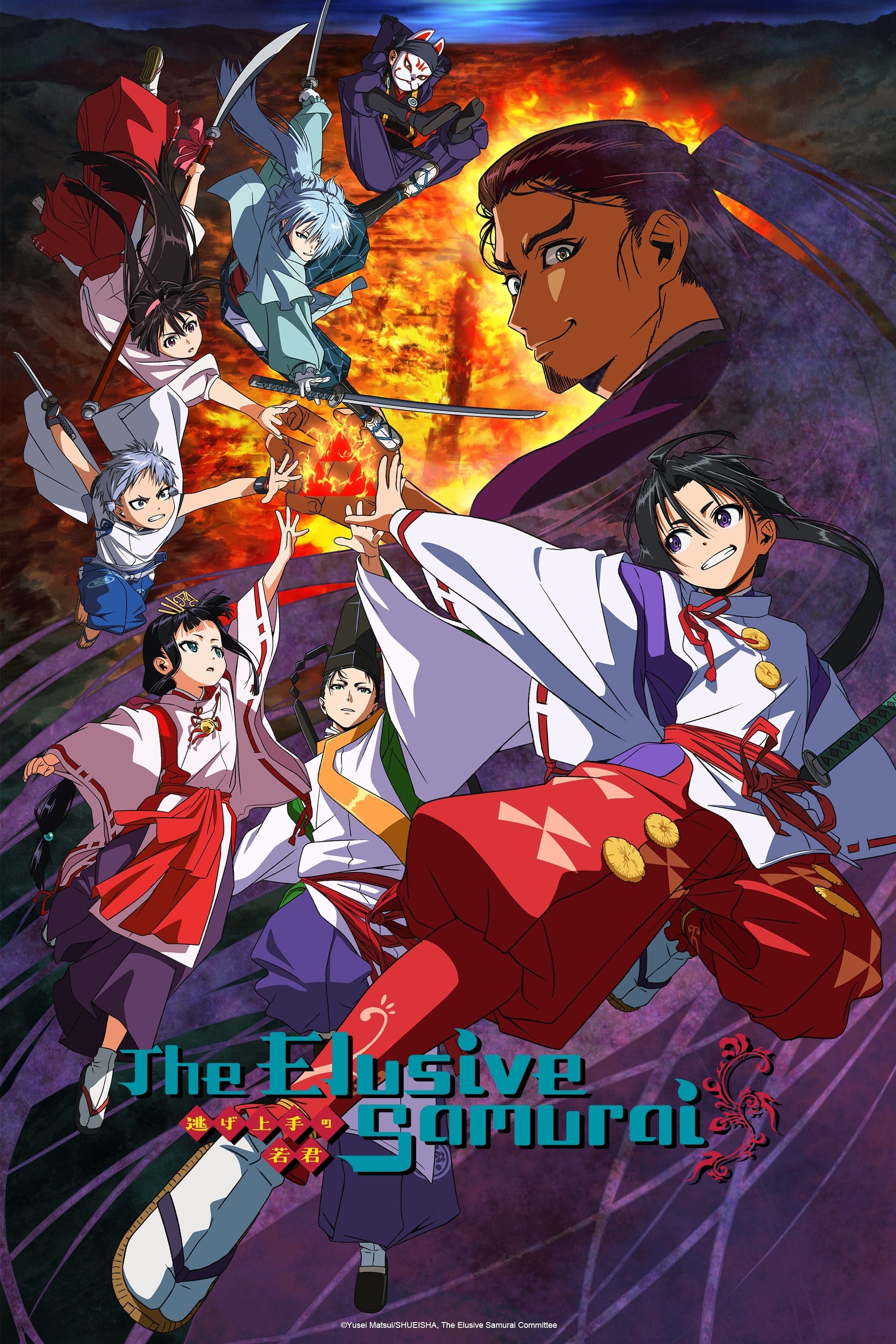
In the aftermath of a devastating betrayal that topples the Kamakura shogunate in 1333, young Hojo Tokiyuki—once a carefree noble—finds himself the sole survivor of a brutal coup that annihilates his family. Sheltered from responsibility and more skilled at dodging his duties than fulfilling them, Tokiyuki’s life of comfort vanishes overnight.
Forced into hiding, he is rescued by Suwa Yorishige, a mysterious Shinto priest with a prophecy: Tokiyuki is destined for greatness. With no military might, no army, and no throne, Tokiyuki's only weapons are his agility, wit, and an unmatched instinct for escape. As he gathers loyal allies and evades those who seek his head, Tokiyuki transforms his talent for fleeing into a tool for survival—and rebellion.
Guided by prophecy and driven by revenge, he begins a perilous journey to reclaim his heritage and challenge the usurper Ashikaga Takauji, proving that even a boy who runs can someday lead.
The Elusive Samurai was one of the more talked-about anime of summer 2024, often praised for its high-quality animation. Produced by CloverWorks, the show lives up to the studio's reputation for stellar visuals, but my thoughts on the series are more mixed.
The animation is undeniably impressive. CloverWorks’ team clearly wanted to show off their capabilities, with dynamic visuals, striking match cuts, and vibrant sequences that really stood out. However, there were moments where the visual flair felt overwhelming—almost overstimulating. It’s visually loud, which can pull you out of the story at times. Still, from a technical standpoint, this show is a masterclass in animation, and fans of the craft will likely find it worthwhile for that alone.
The story, though, didn’t resonate with me as much. It’s a historical fiction centered on Tokiyuki Hōjō, a young lord betrayed and forced into hiding as he seeks to reclaim his family’s honor. While the premise is interesting, I struggled with how the series handled its genres. It’s a mix of drama, action, and comedy, but the balance felt off. The humor—a significant part of the show—often clashed with the serious historical context. About a third of the jokes landed for me, but the overt comedy sometimes felt misplaced amidst the heavier themes of betrayal, loss, and survival. I would've preferred a more grounded tone with subtle humor rather than the slapstick and exaggerated gags we got.
One of the standout characters is Suwa Yorishige, Tokiyuki’s enigmatic mentor. While his over-the-top personality adds energy, I found him a bit grating. His role makes sense within the story—injecting levity into grim situations—but I think a more subdued approach could've made his character more engaging for me.
The supernatural elements also felt out of place. Characters like Sadamune (who has impeccable eyesight), Ishikawa (who has super hearing), and Suwa (who has clairvoyance) felt shoehorned into the plot. While these abilities offer opportunities for visually creative scenes, they detract from the historical fiction vibe. For a story rooted in real events, the inclusion of these powers felt unnecessary and took away from the immersion.
The show’s ending was a high point, especially in terms of action. The final battles showcased the main characters, including Tokiyuki, Kojiro, Genba, and Fubuki, in ways that highlighted their strengths. However, I wish Shizuku and Ayako had more chances to shine.
Another notable feature is the character design. The facial expressions, especially among villains, effectively conveyed madness and intensity, but they’re also unpleasant to look at after a while. It’s a stylistic choice that works thematically but might not appeal to everyone.
The opening and ending themes are alright, though not particularly memorable. The opening song stumbled its way onto my J-pop playlist a while ago without me realizing it was tied to this show, which was a neat discovery, but the visuals and tone of both themes felt disconnected from the show’s actual content.
The Elusive Samurai impresses with its high production values and striking visuals, offering occasional flashes of brilliance. However, its blend of slapstick comedy and supernatural elements often clashes with the tone of a grounded historical drama, making it hard for the story to fully resonate. While I can see the charm for viewers drawn to its offbeat humor, it never quite clicked for me. With a second season on the way, I’m uncertain if I’ll continue watching—but I do hope it finds a stronger sense of identity that better unites its eccentric flair with the gravity of its historical roots.
Final Score: 7/10
Plot - 7
Protagonists - 7
Supporting Cast - 8
Genre - 6
Art, Animation, and Character Design - 9
Music, Sound Design, and Voice Acting - 7
Bakemonogatari (Shaft)
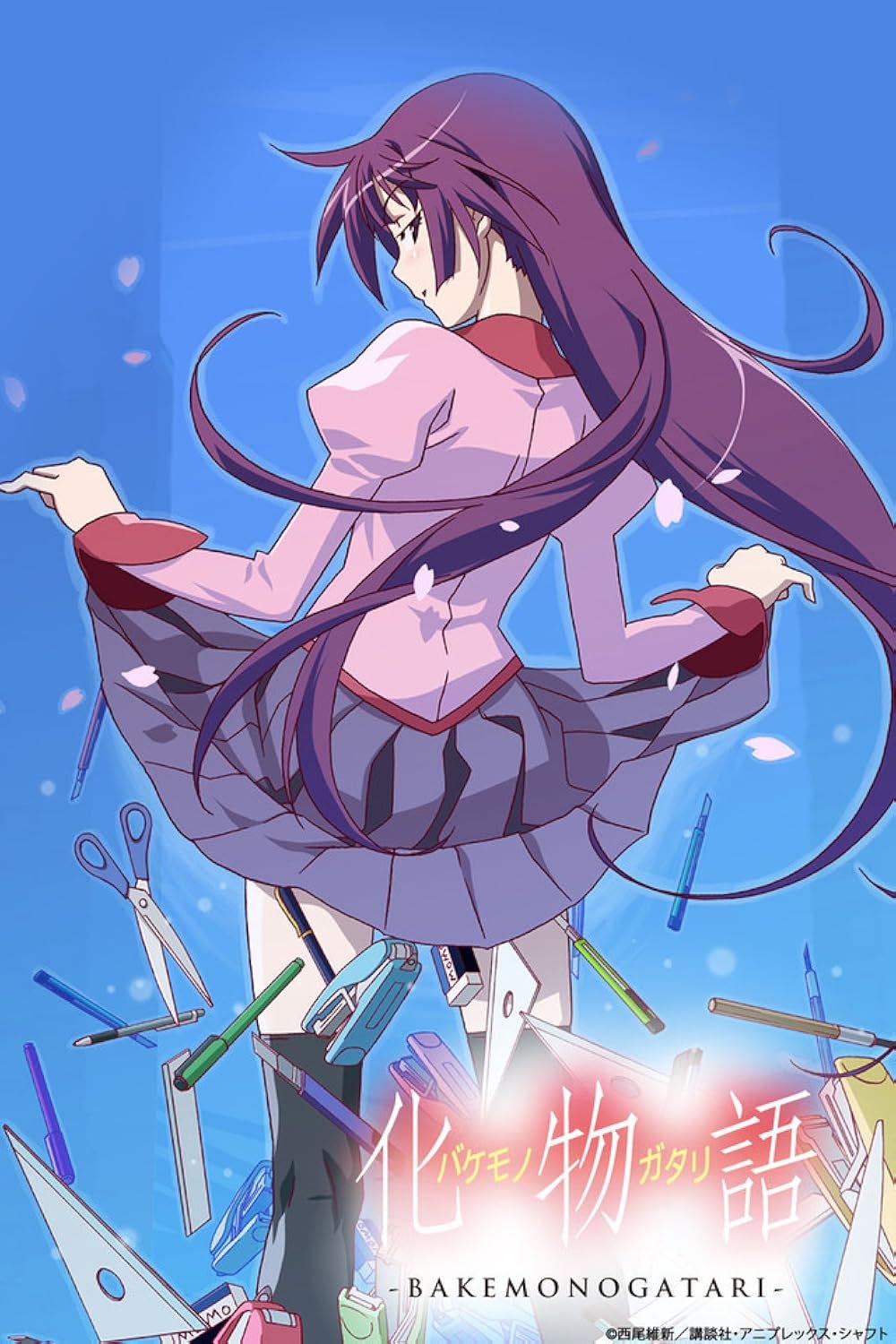
Koyomi Araragi is just trying to return to a normal life after surviving a vampire attack, but lingering side effects—like rapid healing and heightened senses—are a constant reminder of the supernatural. When he catches his classmate Hitagi Senjougahara during a fall and discovers she weighs almost nothing, Koyomi is pulled back into the strange and spiritual. Despite her sharp tongue and refusal to open up, he insists on helping her, turning once again to Meme Oshino, the enigmatic man who once saved him.
But Hitagi isn't the only one plagued by oddities. A compulsive runner burdened by a monkey’s paw, a lost girl stuck in a looping journey, and others come into Koyomi’s life, each with their own mysterious affliction tied to ghosts, gods, or curses. With Meme's guidance and a growing sense of responsibility, Koyomi dedicates himself to uncovering the truths behind these apparitions—and maybe learning something about himself in the process.
After spending over six hours binging Bakemonogatari, I’ve finally crossed it off my ever-growing Plan to Watch list. Being a juror on for the r/anime Awards has forced me to get on it after the public decided to nominate Off Season and Monster Season in the Drama category (before I ultimately dropped out). According to the prerequisite watchlist, eps. 1-2, 9-10 were the only ones necessary to get the gist of it, but I figured I'd be doing myself a massive disservice if I didn't watch all 15 episodes. I’m glad I did, as the experience turned out to be rewarding despite some mixed impressions.
The animation immediately stood out for its experimental approach. For a show from 2009, the visual style felt bold, though the rapid cuts to text and title cards were distracting. These flashes broke my immersion and interrupted the flow of scenes. That aside, I appreciated the creativity in the animation. The use of stark, empty urban environments created an eerie atmosphere, but it also made the world feel oddly lifeless. The lack of background characters or bustling settings amplified this ghost-town vibe, which might've been intentional but left me feeling unsettled.
One of the unexpected highlights was the humor. The visual gags landed well, and the banter between Araragi and the other characters became more engaging as the episodes progressed. The humor complemented the show’s mystery and supernatural elements, offering some levity amidst the heavier moments. The supernatural aspects initially felt abrupt, throwing me into a world with minimal exposition. However, as I adjusted to the format, the parallels between the Monogatari series and Rascal Does Not Dream of Bunny Girl Senpai became apparent. In some ways, I felt like Monogatari laid the groundwork for shows like Bunny Girl Senpai, which I hold in high regard. The show’s dual focus on mystery and romance was balanced well. Araragi’s attempts to solve apparitions and lift curses interwove with his growing relationship with Hitagi. Their forest date and stargazing scene in ep. 12 were particularly sweet moments, and their banter in her father’s car added a nice touch of humor.
The cast’s dynamics were a major strength. Meme’s enigmatic presence intrigued me, though I’d have liked more backstory on him. Shinobu’s symbiotic relationship with Araragi hints at deeper layers I’m eager to explore in the Kizumonogatari movies. Sengoku’s introduction in eps. 9 and 10 was handled well, but she didn’t leave as strong an impression compared to other characters.
Hanekawa’s arc, particularly in eps. 14 and 15, left a strong impact. The stakes felt real as Araragi wrestled with a life or death decision. His call to Shinobu in the finale to save him was a powerful moment that capped off the season effectively.
The ending theme, "Kimi no Shiranai Monogatari," was a standout for me. The song’s visuals and melody tied the episodes together beautifully. As for the openings, "Renai Circulation" deserves the praise it gets, though I’m slightly embarrassed it took me this long to connect the song to this anime.
While Bakemonogatari isn’t without its flaws, it’s clear why it’s considered a classic. The experimental animation, engaging dialogue, and well-balanced mix of genres make it a memorable watch. Some elements, like the sparse world-building and occasional pacing issues, might not work for everyone, but they didn’t diminish my overall enjoyment. I’m looking forward to learning more about these characters as I slowly but surely make way through the beloved series.
Final Score: 7/10
Plot - 7
Protagonists - 7
Supporting Cast - 6
Genre - 7
Art, Animation, and Character Design - 7
Music, Sound Design, and Voice Acting - 7
The Kizumonogatari Trilogy (Shaft)
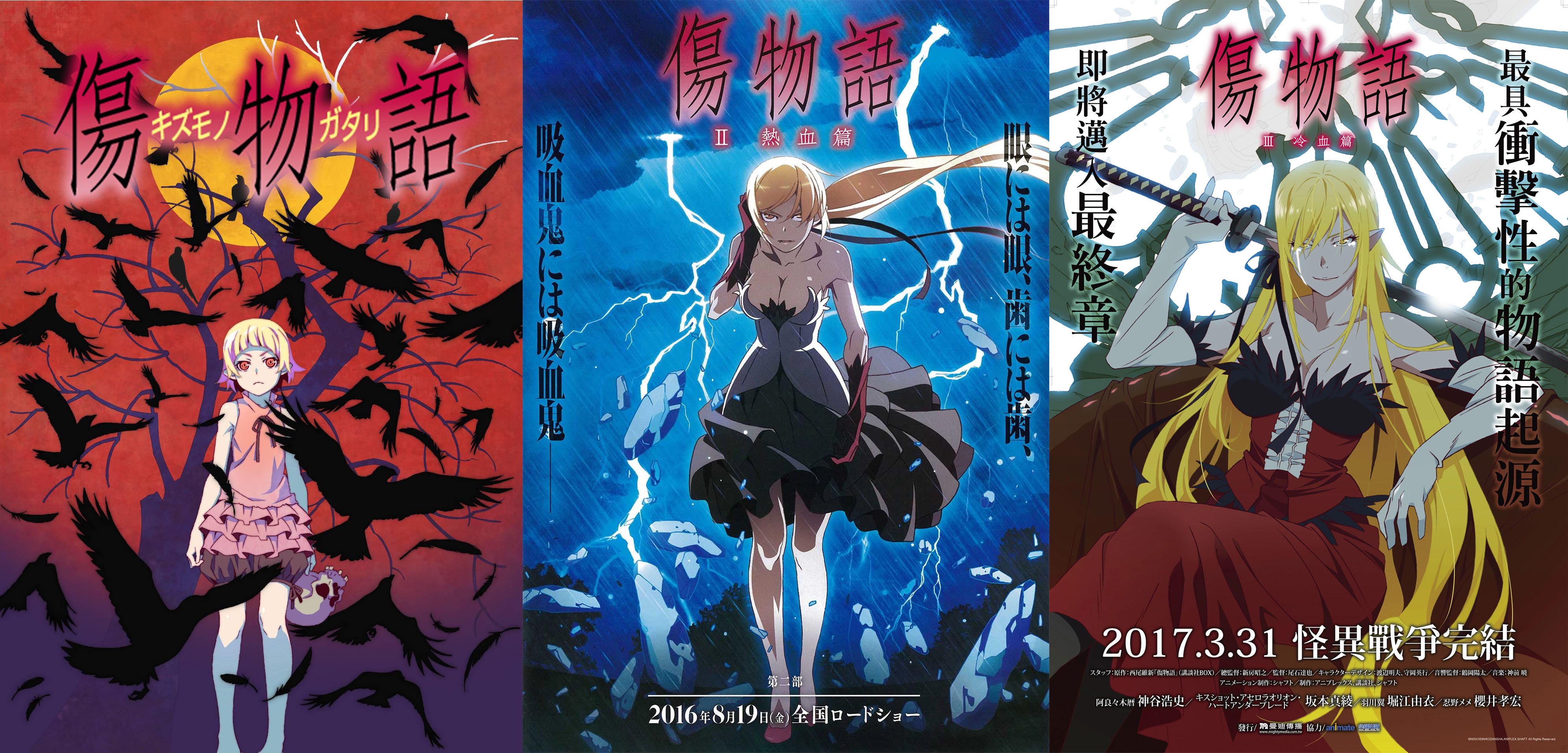
Koyomi Araragi is an ordinary high school student whose life changes overnight when he encounters a wounded, dismembered vampire deep within an abandoned subway station. The vampire, Kiss-shot Acerola-orion Heart-under-blade, pleads for his help, and Araragi makes a fateful decision to save her—at the cost of his own humanity.
Now transformed into a vampire himself, Araragi becomes Kiss-shot’s servant and is tasked with recovering her stolen limbs from three fearsome hunters: the vampiric brute Dramaturgie, the elusive half-vampire Episode, and the deadly human priest Guillotinecutter. Each confrontation drags Araragi deeper into the darkness, blurring the line between man and monster.
As he fights to reclaim his humanity, Araragi begins to question everything—his trust in Kiss-shot, the truth behind her defeat, and the irreversible consequences of bringing her back to full power. With his sense of self unraveling and no guarantee of returning to normal, Araragi must choose between the person he was and the creature he’s become. His decision could save lives—or doom them.
The Kizumonogatari trilogy left me with a lot to think about; it answers essential questions like how Araragi met Meme and what led to his complicated bond with Shinobu, formerly known as Kiss-Shot Acerola-Orion Heart-Under-Blade. Shinobu’s tragic backstory, especially her previous servant’s suicide, shows how deeply she fears death and how Araragi’s actions challenge her. The emotional core of the story—Shinobu’s choice to sacrifice herself and Araragi’s ultimate decision to keep her alive in a symbiotic relationship—is powerful, though undeniably bleak. It’s a tragic setup that recontextualizes their interactions in Bakemonogatari.
The animation deserves praise for its boldness. Shaft’s experimental style shines in the action sequences, particularly Araragi’s fights against the vampire hunters. The choreography and visual effects in those scenes are impressive, especially considering there's a seven year gap between the movies and Bakemonogatari. However, the animation also has choices that feel more distracting than impactful. The frequent use of photorealistic textures and 3D elements mixed with 2D animation doesn’t always land. Sometimes it creates interesting visual contrasts, but more often, it feels clunky. The random insert stills with French text or other subliminal messages—while artistic—pull you out of the moment. These touches might appeal to fans of experimental animation, but for me, they detracted from the flow.
One of the trilogy’s strangest elements is its setting. The city feels entirely abandoned, which makes the fights and destruction feel disconnected from reality. It’s understandable that the story leans into surrealism, but the lifeless environments make the world feel more like a dreamscape than a real place. This decision aligns with the series’ overall tone but leaves you questioning why Araragi’s supernatural battles have no impact on the wider world. It’s hard to invest in the stakes when the setting feels so isolated.
Character interactions are a mixed bag. Araragi and Hanekawa’s dynamic stands out in the second movie, where their chemistry is the most compelling. Their conversations show why some fans ship them, even if the series ultimately pairs Araragi with Hitagi. Hanekawa’s moments, like her panty promise or her efforts to connect with Araragi, add humor and emotional depth. However, some scenes go too far in teasing without payoff. A prime example is Araragi’s awkward attempt to desensitize himself to women’s bodies by asking to touch Hanekawa’s chest, only to chicken out. The scene drags on and feels pointless, especially given the time spent building up to it.
The trilogy’s tonal shifts can be jarring. It balances horror, comedy, and action, but not always seamlessly. Moments like Shinobu’s child form devouring a leg manage to be funny and unsettling at once, but the humor sometimes undercuts the darker themes. The movies excel when focusing on the tragedy of Shinobu and Araragi’s relationship but falter when trying to juggle too many tones in one scene.
Despite its flaws, Kizumonogatari is a rewarding watch for fans of Bakemonogatari (and I suppose the Monogatari series as a whole). The backstory adds depth to familiar characters and provides context for their motivations. While the experimental animation and isolated setting might not work for everyone, they reinforce the series’ unique identity. If you’re already invested in Monogatari, this trilogy is worth your time. Watching all three movies separately is the better choice over the 2024 compilation movie, as the extra runtime allows the story to breathe. It’s not perfect, but it’s an essential part of the Monogatari experience.
Iron-Blooded (Pt. 1) Final Score: 7/10
Plot - 7
Protagonists - 7
Supporting Cast - 7
Genre - 5
Art, Animation, and Character Design - 7
Music, Sound Design, and Voice Acting - 6
Hot-Blooded (Pt. 2) Final Score: 8/10
Plot - 8
Protagonists - 10
Supporting Cast - 7
Genre - 8
Art, Animation, and Character Design - 9
Music, Sound Design, and Voice Acting - 6
Cold-Blooded (Pt. 3) Final Score: 8/10
Plot - 10
Protagonists - 7
Supporting Cast - 7
Genre - 7
Art, Animation, and Character Design - 8
Music, Sound Design, and Voice Acting - 6
Mashle: Magic and Muscles (Season 1) (A-1 Pictures)
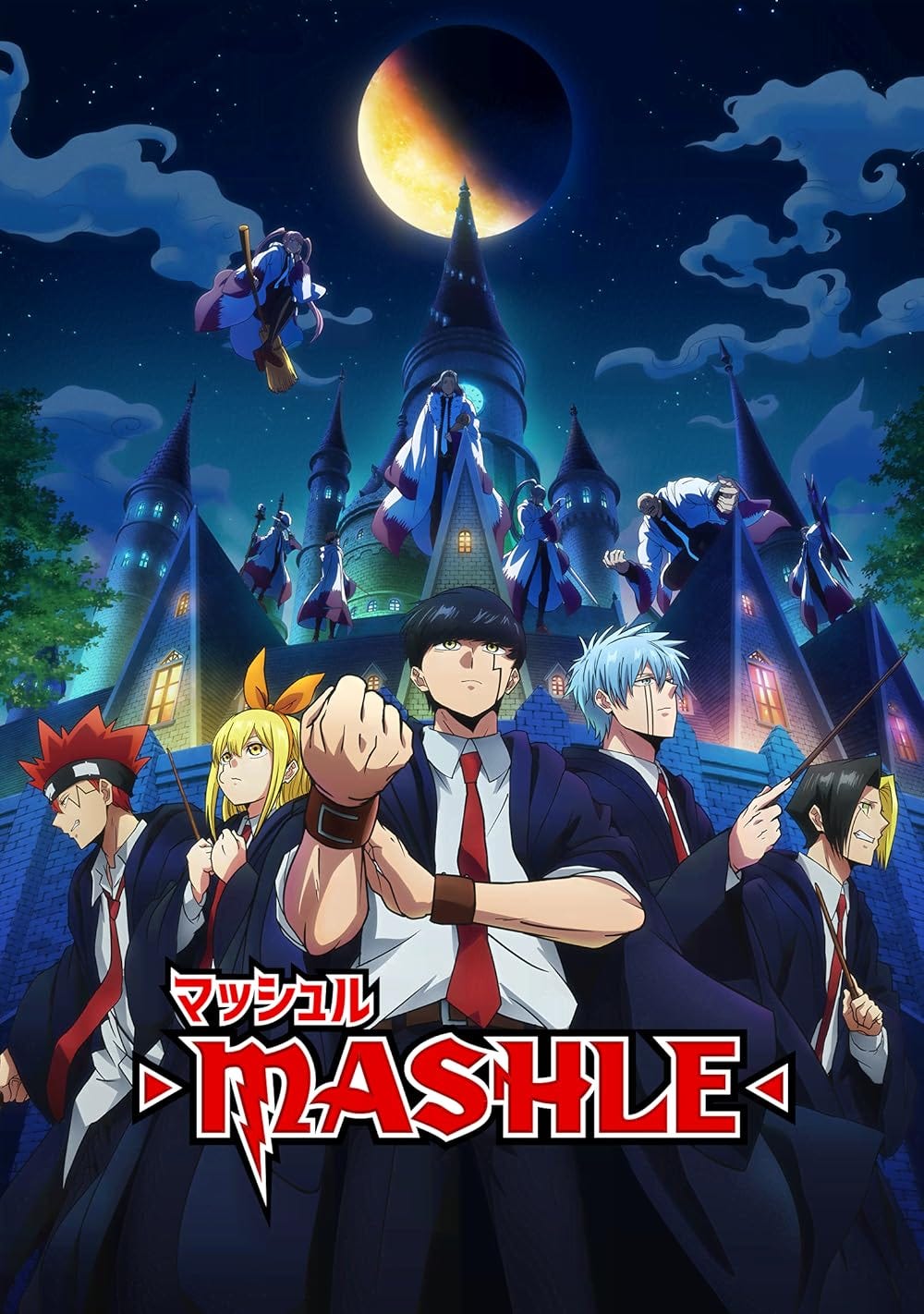
In a society where magical prowess determines one’s social standing, Mash Burnedead is an outlier—a teenager born without any magical ability in a world where such a trait is not only rare but dangerous. To avoid persecution and protect his adoptive father Regro, Mash is forced to pursue the prestigious title of Divine Visionary, a status that commands universal respect and immunity from societal judgment.
Armed with nothing but overwhelming physical strength and a love for cream puffs, Mash enrolls in Easton Magic Academy, a school reserved for the most gifted magic users. Surrounded by classmates who can bend the elements and cast spells with ease, Mash must outwit magical challenges and rival students—all without casting a single spell. As he bulldozes through magical norms with sheer force and deadpan determination, Mash sets out to prove that brute strength can be just as powerful as any wand.
A magical parody that flips the script, this is the story of a muscle-bound underdog facing a world that says he doesn’t belong—and punching right through it.
While Mashle has its entertaining moments, I found it difficult to stay fully engaged throughout the season. Mash comes across as aloof and emotionally detached, which made it hard to connect with him on any meaningful level. His motivations—protecting his adoptive father, preserving the peace, and indulging in cream puffs—felt overly simplistic and repetitive. Although his overwhelming physical strength is central to the show’s concept, it often felt like a narrative shortcut. With most conflicts resolved by brute force, the stakes in his battles rarely felt genuine or suspenseful.
The series positions itself as a parody of magical school stories, with Harry Potter being the most obvious influence. However, the parody elements frequently veer into imitation rather than satire. The broom levitation in episode 3, the Quidditch-style game in episode 4, and the Sorting Hat equivalent lacked the originality or clever twist needed to stand out. Likewise, Mash’s recurring obsession with cream puffs was intended to serve as a quirky character trait, but the joke was overused and failed to develop any real comedic charm. Comparatively, other series with similar food-based humor—such as My Deer Friend Nokotan, ‘Tis Time for “Torture,” Princess, and You Are Ms. Servant—handle this type of gag with more creativity and timing.
The second half of the season, which shifts focus to the antagonists from Magia Lupus, was a notable improvement. Characters like Lord Abel and Abyss Razor introduced a sense of intrigue and narrative tension that had been lacking earlier. Abel’s puppet-based magic was an interesting concept, though it was resolved too quickly to leave much of an impact. Abyss Razor, on the other hand, had a compelling design and backstory that hinted at greater potential—something that will hopefully be explored in the next season.
On the other hand, Mash’s group of allies often felt underdeveloped. Lance’s motivation to protect his sister stood out as one of the more sincere character arcs, but his sudden disappearance after the battle with Wirth Madl left me confused. Meanwhile, Dot’s brash jealousy and Lemon’s one-note infatuation with Mash offered little in terms of character depth or growth.
The comedy was inconsistent. While a few moments—such as Lance defensively clarifying his status as a “siscon” rather than a “lolicon”—landed well, others fell flat. The joke involving spinal reflexes and cream puffs in episode 11, for example, felt needlessly absurd. Additionally, the show’s depiction of a society built on magical eugenics as a backdrop for humor felt tonally off. That kind of premise requires either thoughtful commentary or a more serious approach, and Mashle didn’t fully commit to either.
By the end of the season, the reveal that Mash is completely magicless introduced a promising narrative thread. It suggests more compelling conflicts to come and could give the story the depth it currently lacks. However, the show’s overreliance on Mash’s invincibility and its underdeveloped supporting cast left the first season feeling uneven. While the Magia Lupus arc helped salvage some interest, I’m not certain I would have stayed invested without it. Overall, season 1 of Mashle is passable, but unless future seasons build meaningfully on its premise, it’s difficult to recommend without reservations.
Final Score: 6/10
Plot - 7
Protagonists - 5
Supporting Cast - 7
Genre - 6
Art, Animation, and Character Design - 7
Music, Sound Design, and Voice Acting - 5
Mashle: Magic and Muscles (Season 2) (A-1 Pictures)
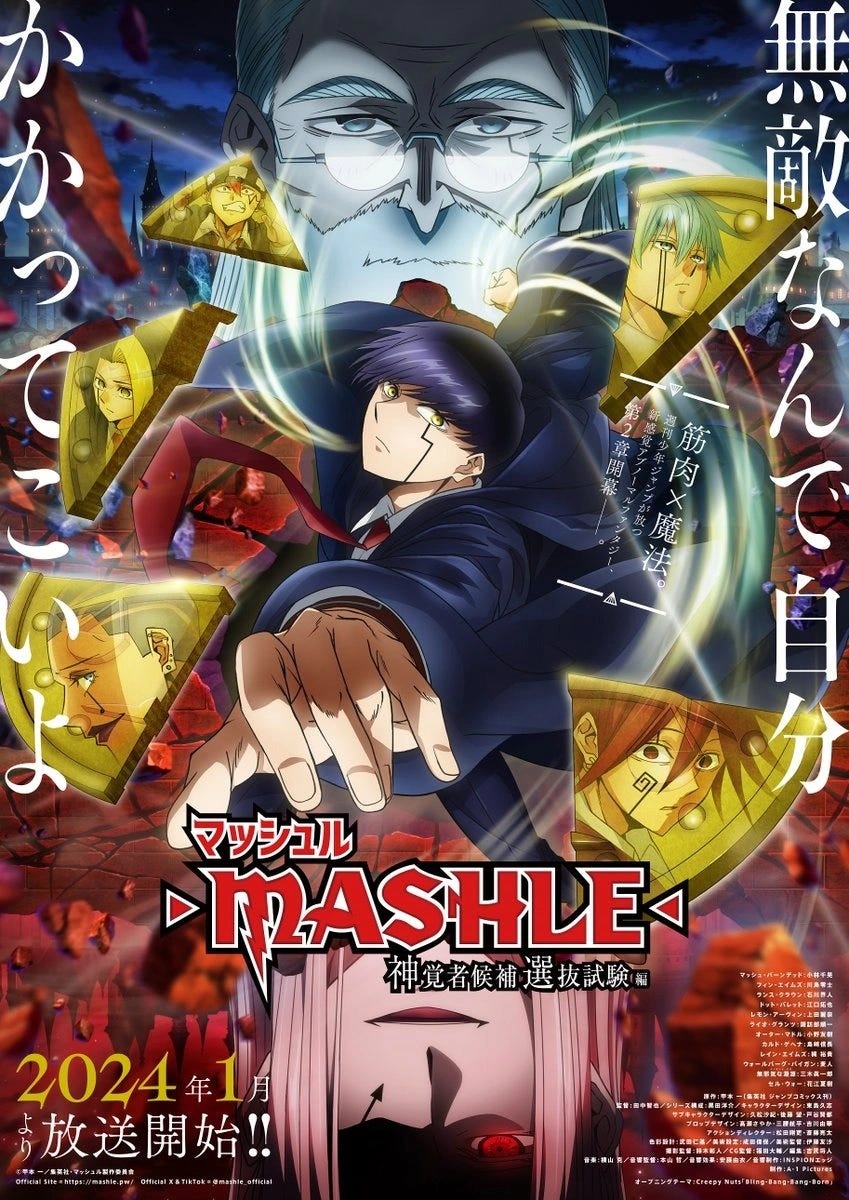
Season 2 of Mashle brings a few upgrades over the first, but honestly, they’re pretty minor. A lot of the same issues from Season 1 carried over, especially in the first half, which made it hard to stay invested early on. Things started to pick up around episodes 6 and 7 when the stakes got higher, but even then, the plot started to feel like it was losing its focus.
The season opens by setting up Orter Madl as this major antagonist. He’s laser-focused on Mash being a Lackmagic, and the danger that poses in a society where Lackmagics are outlawed. At first, it seemed like the show was positioning him to be a real threat, but his rigid, rule-obsessed personality didn’t really go anywhere. He ended up feeling flat. And then the story just shifts gears and brings in Innocent Zero, pushing Orter into the background. Once that happened, Orter’s role felt more like a footnote, and the overall story lost some cohesion—like it couldn’t decide what it wanted its main conflict to be.
Mash himself is still a tough sell as a protagonist. His whole deal—being totally clueless, obsessed with cream puffs, and shrugging off basically everything—makes it hard to connect with him. The humor built around his personality didn’t work for me either. Gags like him lighting a candle by jamming a stick into the ground at high speed or getting confused by basic explanations just felt more grating than funny. It’s not that I’m against slapstick or absurd humor—My Deer Friend Nokotan pulls that off way better by embracing the randomness instead of trying to overexplain it.
The supporting cast had its ups and downs. Dot and Lance were at least fun to watch and felt like competent characters. But Finn’s constant panic attacks and Lemon’s single-note obsession with Mash made them more frustrating than endearing. It was hard to see the friend group as balanced when half of them felt like comic relief and not much else. Even Orter, who could’ve been interesting, turned into a walking stereotype by the end—always harping on about justice and order without much nuance.
On the plus side, the production quality definitely stepped up. The animation looked noticeably better in the second half of the season—especially in the big fights. Scenes with Margarette Macaron and Headmaster Wahlberg stood out as visual highlights. The soundtrack also pulled its weight, with some strong character themes and solid background music that helped elevate key moments. “Bling Bang Bang Born” by Creepy Nuts was an absolute banger of an OP, though the ending theme didn’t leave much of an impression.
The show does flirt with some deeper themes—like society’s treatment of Lackmagics—and moments like Wahlberg’s flashbacks and his past with Adam Jobs helped flesh out the world a bit. But they dropped the ball on Innocent Zero’s backstory. His connection to Wahlberg could’ve added some real depth to the story, but it just never got explored.
As for the comedy, it was hit or miss. There were some solid jokes—Lance’s weird obsession with his sister merchandise got a laugh out of me—but most of the humor didn’t land. The show leaned heavily on meta and self-aware gags, which only really work when the base comedy is already strong—and in this case, it wasn’t.
At the end of the day, the action and production values carried this season, while the comedy and character development held it back. The second half was definitely stronger and more entertaining, but a weak start, an unrelatable main character, and a lopsided supporting cast kept it from reaching its full potential. It was a decent step up, but still far from great.
Final Score: 7/10
Plot - 7
Protagonists - 4
Supporting Cast - 8
Genre - 6
Art, Animation, and Character Design - 8
Music, Sound Design, and Voice Acting - 8
The Colors Within (Science SARU)
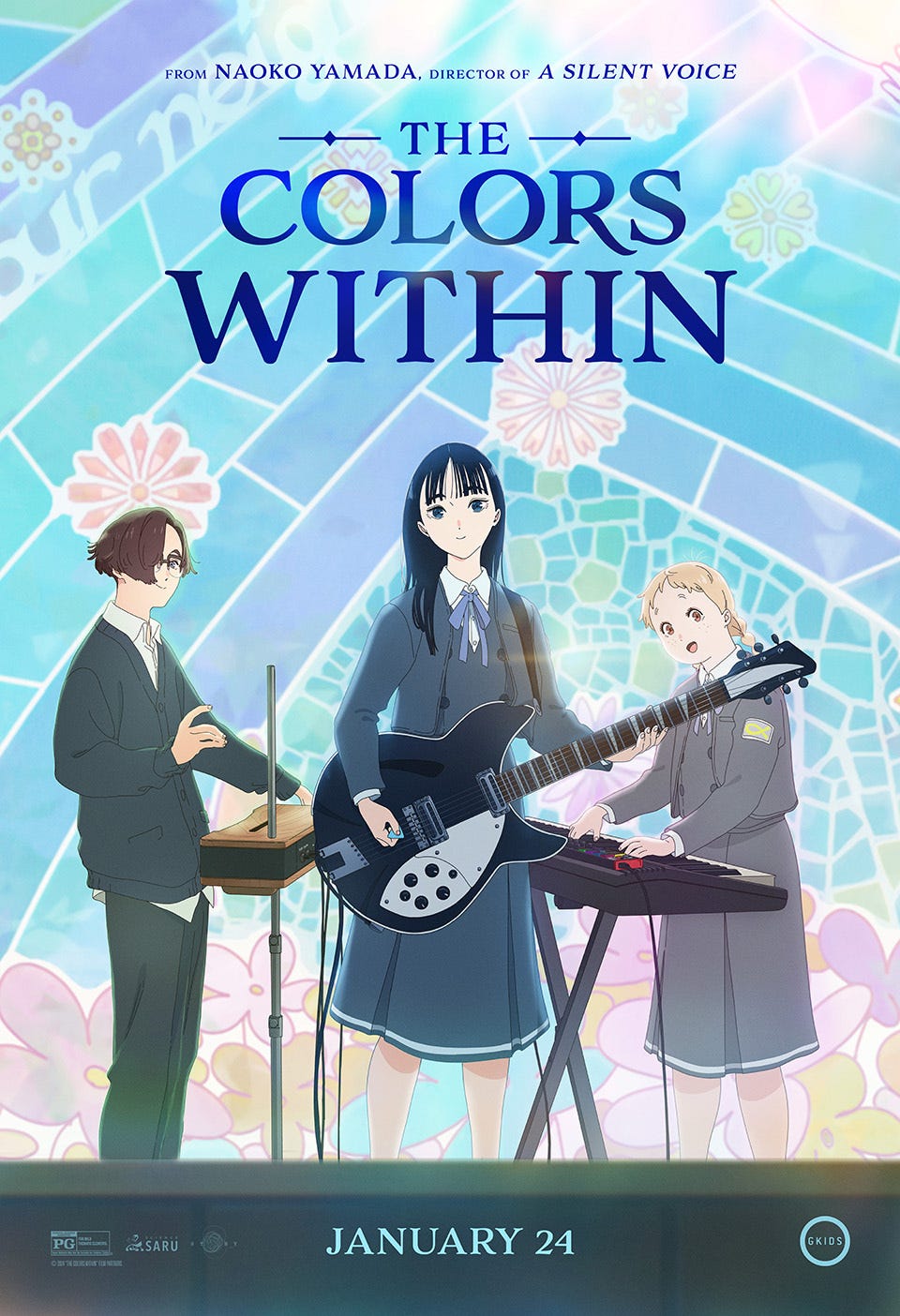
Totsuko has a unique gift: she sees people's emotions as vibrant colors. One day, she spots an especially radiant hue surrounding her classmate Kimi and becomes captivated. A chance encounter at a dusty secondhand bookstore leads Totsuko to Rui, a reserved boy with a passion for rare musical instruments. Despite not knowing how to play anything, Totsuko finds herself roped into forming a band with Kimi on guitar and Rui on theremin. As the trio practices in an old church tucked away on a distant island, their shared love of music begins to draw out the colors hidden deep within each of them. Through harmonies, heartaches, and healing, they forge a bond that helps them face their personal struggles and discover the shades of who they truly are.
If you're familiar with Naoko Yamada’s past work—like A Silent Voice, Liz and the Blue Bird, or even her short film The Garden of Remembrance—you probably know she has a real eye for beautiful, emotionally charged visuals. So going into this, I wasn’t expecting the world, but I did feel like I was in good hands, especially since the trailers made it pretty clear that the movie’s biggest strength would be its visual and aesthetic appeal.
And yeah, that absolutely held true. The animation was consistently gorgeous—nothing too flashy or mind-blowing, but really smooth, really easy on the eyes. It’s not quite on the level of Kyoto Animation, but Science SARU did a fantastic job here. I’ve already been impressed by their recent work on Dandadan, and while this movie didn’t have any show-stopping animation moments, the overall consistency definitely stood out. The cinematography was also super solid, which makes sense given it’s a movie, and the soundtrack? Absolutely phenomenal.
The standout moment for me was the big performance at the St. Valentine’s Day Festival with Rui, Totsuko, and Kimi. I’ll admit, I rolled my eyes a bit at first—“band anime does emotional performance” isn’t exactly breaking new ground—but as the set went on, and especially when they got to Totsuko’s song, it really landed. The music in that scene, composed by Kensuke Ushio, gave the whole moment weight and emotion. Not surprising though—his work with Yamada and on Dandadan and The Dangers in My Heart has always hit hard.
That said, as much as I loved how it looked and sounded, I didn’t find myself super emotionally invested in the characters. It works well as a gentle slice of life coming of age movie, but I’m not sure it’s one I’ll be thinking about much down the road. Still, I’m glad I saw it in theaters—the visuals alone made it worth it. It’s not groundbreaking, but it’s a solid, well-crafted experience. Yamada delivered something good, even if it didn’t quite stick the landing for me emotionally.
Theme-wise, I had mixed feelings. Totsuko’s synesthesia—seeing colors in sound—added some lovely visuals, but didn’t feel all that central to the story. It came off more like a stylistic choice than something the plot really dug into. On the flip side, the movie’s message about accepting what you can’t change and finding courage to change what you can was simple but resonant. I also didn’t expect the light touch of Catholicism woven through the story, but it was handled with care—more about values and less about religion itself.
If I had to pick a favorite character, it’d be Kimi. She felt the most fleshed-out and emotionally grounded. But overall, I felt like the movie held back a bit when it came to character depth. The band’s formation and their family issues were interesting, but the movie never fully leaned into those elements. Without stronger exposition or clearer goals, things meandered a little more than I would’ve liked.
In the end, The Colors Within is what I’d call a vibes movie—low-stakes, emotionally gentle, and perfect if you’re in the mood for something pretty and calming. It’s not Yamada’s best work (A Silent Voice still takes that for me), but it’s a worthwhile watch. The writing doesn’t hit quite as hard as the visuals and music, but if you’re into movies that are more about the mood than the plot, this one’s worth your time.
Final Score: 7/10
Plot - 6
Protagonists - 7
Supporting Cast - 6
Genre - 6
Art, Animation, and Character Design - 8
Music, Sound Design, and Voice Acting - 8
Kimi ni Todoke: From Me to You (Season 3) (Production I.G)
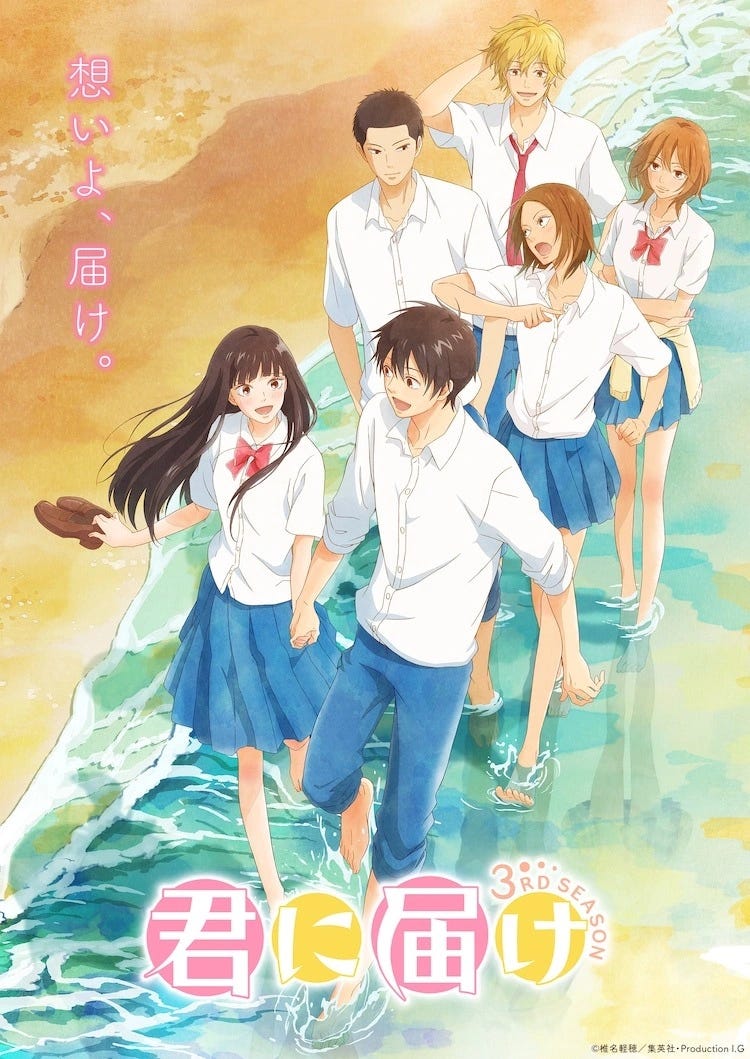
As summer arrives, Sawako Kuronuma and Shouta Kazehaya begin navigating the early stages of their relationship. What begins with shy conversations and stolen glances blossoms into a tender exploration of love, as they navigate new experiences together—from summer school to meeting each other's parents. With each awkward step, they grow closer, confronting insecurities and learning how to support one another.
While Sawako and Kazehaya fumble their way through first dates and heartfelt confessions, their friends face emotional crossroads of their own. Chizuru Yoshida wrestles with lingering attachments, while Ayane Yano confronts the scars of her past relationships. Each of them struggles to define what they want from love and where their hearts truly lie.
Set during their second year of high school, this chapter in their lives captures the beauty and uncertainty of growing up. Through blushes, misunderstandings, and moments of clarity, these teenagers learn that love isn’t just about becoming a couple—it’s about what comes after, and the courage it takes to keep moving forward together.
In my last blog post, I mentioned that even though the third season of Kimi ni Todoke was the jury’s pick for Romance of the Year, I personally ranked it ninth out of the ten nominees—and I still stand by that. If you check out my MAL or Anilist, you’ll notice that season 3 is the only one I’ve marked as Completed. That’s not a mistake. I didn’t watch the entirety of seasons 1 and 2. Instead, I followed a condensed prerequisite watchlist that covered the key moments I needed to follow season 3 without feeling totally lost.
And before anyone comes at me for not watching the full thing—honestly, I’m glad I didn’t have to sit through two whole seasons of it.
According to the rules, awards jurors are required to watch at least the recommended prerequisite material for any sequel that's shortlisted or nominated. That typically means around 12 episodes. If the prerequisite is a single cour, then the full season must be watched. For Kimi ni Todoke, my watchlist included episodes 16, 7, and 18–25 of season 1, and episodes 2, 4–6, and 9–11 of season 2.
With all that out of the way, let’s get into the actual review.
The third season of Kimi ni Todoke starts off on the right foot but quickly loses steam, thanks mostly to the frustrating back-and-forth between Sawako and Kazehaya. Things initially seemed promising—a continuation of their relationship with some sweet, quiet moments—but Kazehaya’s constant hesitation and poor communication quickly turned into a slog. Pair that with Sawako’s inability to speak up, and you’ve got a dynamic that just spins its wheels. By episode 5, I was more annoyed than invested, and it really soured the emotional core of the season for me.
On the production side, things were definitely more polished. The updated character designs kept the charm of the original while adding some modern flair, and the chibi moments and visual gags were still fun and effective. But I have to say—the overuse of those soft, pastel emotion filters (the pentagon/circle outlines) got old fast. Same goes for the heavenly choir music that played every time something dramatic happened. It was a bit much in the beginning, though it toned down later on.
Among the side characters, Ayane easily stole the spotlight. Her storyline, especially her growing relationship with Miura, had way more emotional weight and maturity than the main couple’s. Miura’s growth surprised me—in a good way—and their arc ended up being the most engaging part of the season.
When it came to romance, though, the show just didn’t land. There were a few cute or touching moments—Sawako’s gift in episode 1, the almost-kiss in episode 2—but they were drowned out by the dragged-out tension and Kazehaya’s wishy-washy behavior. Even the Christmas episode, which should’ve been a high point, just reinforced how emotionally checked-out he seemed. It made it hard to keep rooting for them.
Some of the subplots didn’t hit either. Sawako’s dad being overprotective made sense, but the way that arc wrapped up—in the final minutes of the last episode—felt rushed and unearned. Pin had a few funny moments here and there, but by the end, his over-the-top antics were wearing thin. That said, when he actually dropped the comedy and got serious, his advice hit home, especially around the themes of overthinking and communication.
In the end, season 3 had its bright spots—mainly Ayane and Miura—but the main romance was dragged down by indecision and emotional inertia. Kazehaya’s inner conflict didn’t feel deep so much as irritating, and the lack of real progress made the ending feel like too little, too late. Visually and comedically, the show stayed true to itself, but as a love story, it just didn’t deliver the payoff I was hoping for.
Final Score: 6/10
Plot - 7
Protagonists - 4
Supporting Cast - 8
Genre - 6
Art, Animation, and Character Design - 7
Music, Sound Design, and Voice Acting - 6
Urusei Yatsura (2022, Season 1) (David Production)
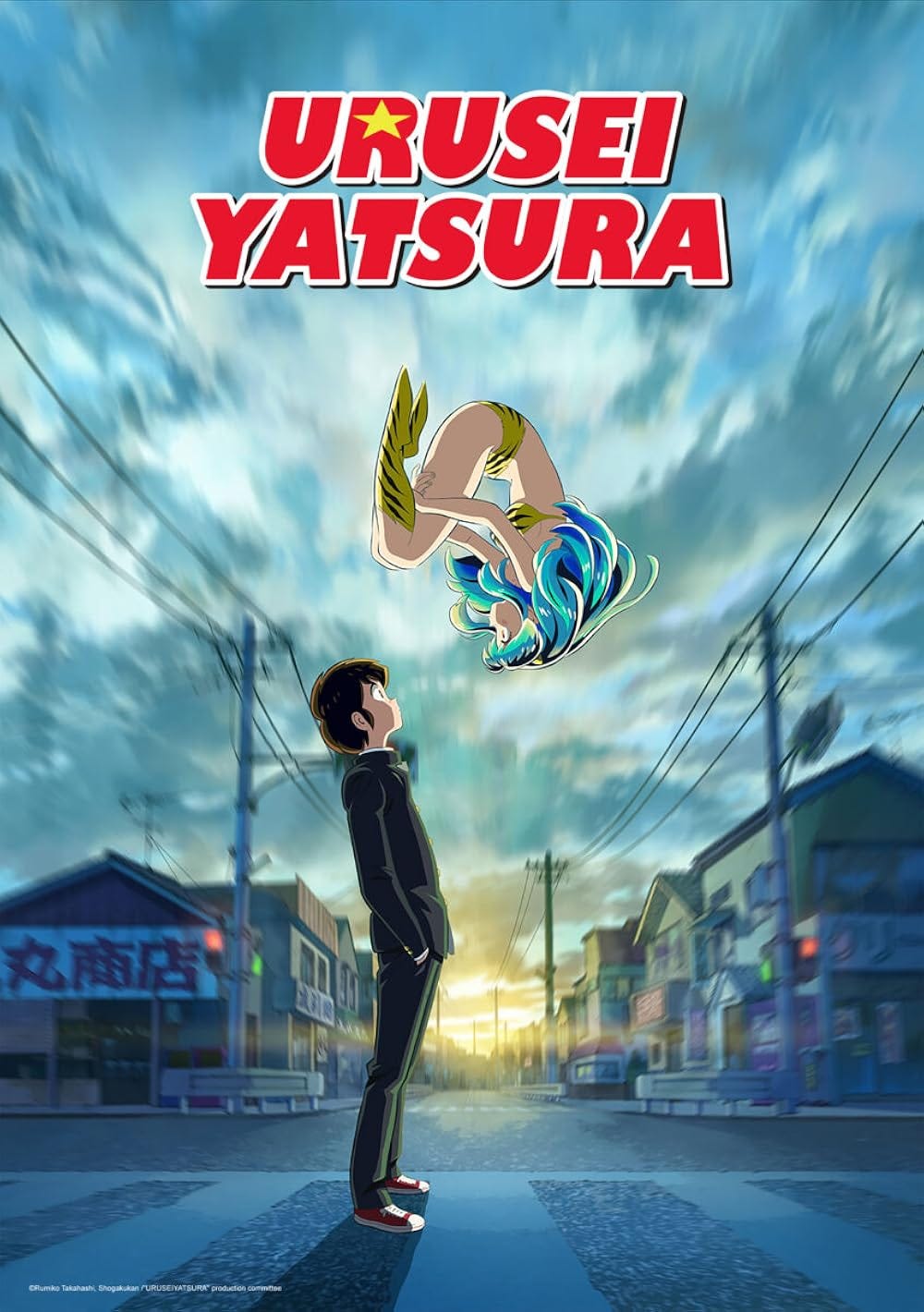
When a bizarre alien invasion puts Earth's fate on the line, high schooler Ataru Moroboshi is randomly chosen to represent humanity in an unconventional game of tag. The rules? Touch the horns of Lum, a beautiful and electrifying alien princess, within a set time limit. Despite Ataru's clumsy, perverted nature and streak of bad luck, he pulls off an unexpected win—only to blurt out words that Lum mistakes for a marriage proposal. Now, she's in love and moves in, turning Ataru's world upside down.
What follows is chaos, as Lum inserts herself into Ataru’s daily life, enrolling in his school and zapping him with electric shocks whenever he flirts with other girls. His attempts to win back his old flame Shinobu go nowhere, and his misfortune only grows as he attracts a never-ending parade of eccentric characters—from rich pretty boys to supernatural beings. Amid the madness, Ataru struggles to reclaim his old life, but the clingy, energetic Lum has no plans of letting go. The result is a wild, comedic ride through school, space, and everything in between.
Watching the first season of Urusei Yatsura was kind of a weird experience for me. Since season 2 got nominated for Comedy of the Year in the r/anime Awards, I wanted to catch up in time—and that meant doing things a bit out of order. I ended up watching all of season 2 first, using a condensed episode list to get the basics from season 1. Then I circled back to finish the rest of season 1, starting from the beginning. Not the most ideal way to do it, and honestly, the two seasons kind of blurred together because of that.
Still, I came out liking season 2 a bit more. It had a few episodes that slowed down to focus on Ataru and Lum’s relationship, which I appreciated. Plus, it leaned more into sci-fi stuff—time travel, multiverse bits—rather than just sticking with the usual alien shenanigans. Season 1 felt more grounded by comparison, or at least as grounded as Urusei Yatsura can get.
One thing that stood out early on is just how many characters season 1 throws at you. It takes a while to get used to the cast. The slapstick humor and gag-style format also took me some time to settle into. At first, it felt kind of repetitive, but I adjusted pretty quickly. You can definitely see the foundation for Ranma ½ here—this was Rumiko Takahashi’s breakout series, after all. There’s even a Ranma reference in the back half of season 1.
Lum is a huge reason why I ended up enjoying the show. Sumire Uesaka’s voice work really brings her to life—her “Darling!” line delivery is iconic. She’s got a great design, a fun speech pattern, and a mix of sweetness and mischief that’s just entertaining to watch. Ataru, on the other hand, is more of a “love him or hate him” kind of character. He’s constantly chasing other girls, which should get old fast, but somehow the running gag of Lum zapping him doesn’t. It reminded me of Pikachu electrocuting Team Rocket—predictable, but still funny. And every now and then, you see that Ataru actually does care about Lum, which helps keep things from feeling one-note.
My favorite male character was Shutaro. His dynamic with Ataru leads to some of the show’s funniest moments, and I liked how the rest of the cast constantly humbled his arrogance. Among the other girls, I liked Sakura the most. Her design’s great, and having an adult in the cast added some variety. Shinobu also had her moments, especially in season 2 where I think she was handled better.
Not every character worked for me. As much as I love Charli XCX, Ten's brattiness didn't land for me. Most of his skits felt like filler. Rei was another one-note character. All he ever thinks about is food and Lum, and it gets tired fast. Ran’s whole obsession with him felt kind of pointless, since he never changes.
Going in, I expected Urusei Yatsura to be a 6/10 show at best, but I came out liking it way more than I thought I would. Between the two seasons, I’d say season 2 is stronger—it plays more with the sci-fi side of things and gives more weight to Ataru and Lum’s relationship. Season 1 spends a lot of time setting everything up, so there’s a lot of introductions and gags that take a while to click. If you don’t vibe with the first few episodes, chances are the show isn’t for you. But if you stick with it, the humor starts landing more often.
Personally, I think this show works best when binged. There are so many jokes that something’s bound to hit, and I caught myself laughing at bits I didn’t expect to. Urusei Yatsura is a chaotic mess—but it owns that chaos. Watching season 1 gave me more appreciation for season 2, and by the end of it all, I felt pretty satisfied with the ride.
Final Score: 7/10
Plot - 7
Protagonists - 7
Supporting Cast - 7
Genre - 7
Art, Animation, and Character Design - 8
Music, Sound Design, and Voice Acting - 7
Urusei Yatsura (2022, Season 2) (David Production)
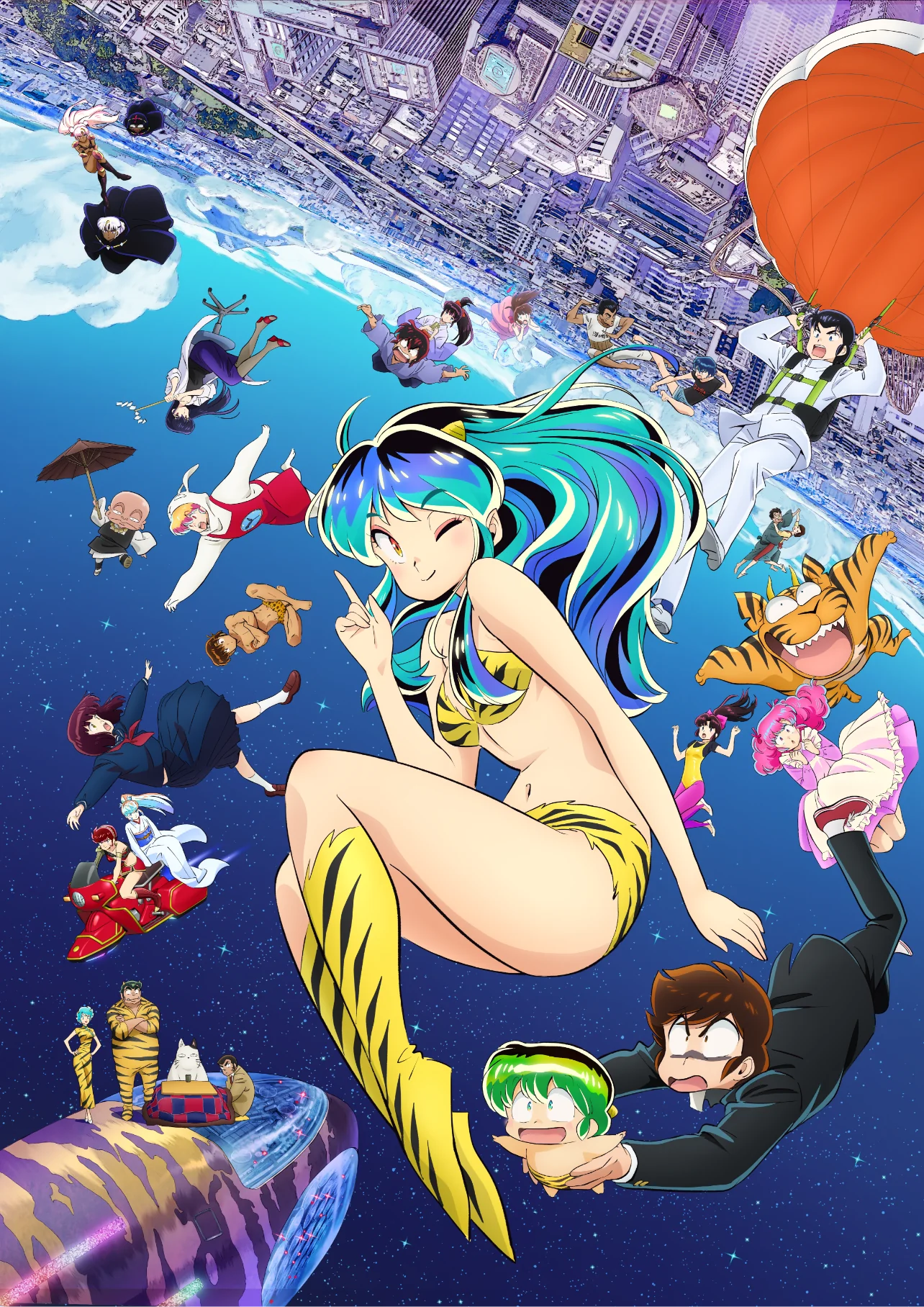
Season 2 of Urusei Yatsura was a mixed bag for me, but overall, I’d say it leaned more good than bad. When the show was firing on all cylinders—when the jokes landed and the characters clicked—it was genuinely enjoyable. Out of the 23 episodes, I’d say 12 were solid, five were just okay, and six fell flat for me.
Some of the weakest episodes were frustrating, especially with how certain characters were handled. Episode 2, for example, focused on Ryunosuke and her dad, and I just couldn’t get into their dynamic. The episode tried to build a heartfelt story about her missing mom, only to turn it into a joke about her dad forgetting who she was. That wasn’t funny—it was just depressing. Episode 3 also didn’t do it for me. The whole “Electric Jungle” setup was grating, and the jungle guy who thought his grandpa lived in a TV was more dumb than entertaining. Thankfully, he never showed up again.
Then there’s Asuka, introduced in Episode 5 as Tobimaro’s younger sister with a crippling fear of men. The show played her phobia for laughs, but the joke got old really fast. The only part that made me laugh was the weirdly implied incest gag with her brother, but everything else about her character was just irritating. Episode 14 made it worse by punishing Tobimaro for issues that clearly stem from Asuka’s upbringing, and episode 15 wrapped up with zero growth on her end—she’s still terrified of men. Every episode featuring her was a low point. Episode 17 went back to Ryunosuke and her forced engagement to Nagisa, another trope I’m not fond of. I’ve never liked the whole “arranged marriage where one (or both) characters clearly hate the idea” setup. The second half, where Ten tried to disrupt a silent classroom, was okay, but I’ve never been a fan of Ten. He’s a brat, and I always find myself siding with Ataru when he puts him in his place.
That said, there were some great episodes this season too. Episode 1 started things off strong, with Ataru cloning all the main girls using bubblegum. The second half, where Lum forgets how to speak Japanese, actually gave us a glimpse of Ataru being genuinely caring, which was a nice surprise. Episode 7 had a fun body-swap scenario, and the time travel segment hinted at Ataru and Shinobu being endgame in at least one possible future, which I thought was a nice touch. The multiverse arc in episodes 8 and 9 was another highlight—it gave the usual formula a break and let Shinobu shine a bit. I liked her dynamic with Inaba, who was a refreshing love interest for her. After everything she’s been through, it was satisfying to see her catch a break.
Episode 10 also stood out. The sketch with Akamaru, the octopus pet, was funny, and the second half—where Ataru goes on a date with a ghost girl who couldn’t pass on—was surprisingly touching. Episode 11 had two strong skits too: one where the gang gaslights Onsen-sensei into thinking he knocked out the principal, and another where Lum and Ran chase down gossip-spreading flowers that cause all sorts of misunderstandings. Episode 13 brought back the time travel gimmick and showed that Shutaro’s fear of cramped spaces was caused by a time loop—basically, the cast accidentally traumatized him, which was hilarious in that classic Urusei Yatsura way.
The last arc (episodes 20–23) was a great way to close out the season. Lum getting kidnapped by Rupa added some actual tension to her and Ataru’s relationship. It gave us some of the most emotional moments between them so far. I liked how it tied back to the very beginning of the series—Ataru has to play tag with Lum again, only this time it’s to save Earth from a mushroom invasion. Even though he never outright says “I love you,” it’s clear through his actions that he cares, and Lum seems to understand that by the end.
If I had one bigger complaint about the season, it’s that the supporting cast didn’t feel as strong this time around. Asuka and Ryunosuke’s family stuff didn’t add much for me, and I was especially bummed by how little screen time Sakura got. She was one of my favorite characters in season 1, but barely showed up here. Same with Benten and Oyuki—they only popped in at the end, and I liked them way more in the first season.
Despite being a gag-heavy show, I thought the romance was handled pretty well this season. It’s not super deep or anything—these characters are all caricatures to some degree—but the balance of comedy and genuine moments works for what the show is trying to do. It never takes itself too seriously, and that’s part of the charm.
Production-wise, the season looked good. The animation was clean and colorful throughout, and episode 6 had this beautifully animated rain scene where Lum thinks she’s turning into a cow—it was weird but kind of mesmerizing. I also think the updated character designs do a nice job of keeping the 80s spirit alive while still feeling modern. Visually, it’s right up there with the Ranma ½ remake.
The music was serviceable—nothing amazing, but it got the job done. A lot of background tracks got reused, which was noticeable, but the OPs and EDs absolutely slapped. MAISONdes came back to do both the openings and endings, and they nailed it again. The visuals for those sequences were flashy and matched the show’s chaotic energy perfectly.
All in all, while Season 2 definitely had its share of duds, the stuff that worked really worked. The humor, occasional romance, and strong production made it a fun ride, and the best episodes reminded me why I got invested in this show in the first place.
Final Score: 7/10
Plot - 7
Protagonists - 8
Supporting Cast - 6
Genre - 7
Art, Animation, and Character Design - 8
Music, Sound Design, and Voice Acting - 7
Looking Ahead
Yeah… remember how I promised my Anime NYC vlog would be out before I left for my vacation to Japan? Well, so much for that lol I honestly have no clue when it’ll be out (ideally before ANYC 2025 in August), but it’ll come out eventually. You’ll just have to subscribe to my YouTube channel to know when it drops.
Desperate times call for desperate measures, so until I finish editing my ANYC and Japan vlogs I will not be watching any seasonal anime. But when I’m done, I already have a list of titles I’ve got my eye on including Orb: On the Movements of the Earth, Medalist, Sakamoto Days (Season 1), My Happy Marriage (Season 2), and Zenshu. Spring 2025 has just begun, so it’ll be a while until I get a clearer picture of what’s popular this season. The only show I’m watching on a weekly basis at the moment is The Apothecary Diaries.
As always, you can find me on my socials on my Linktree. Subscribe to my Substack to get the latest posts sent straight to your inbox as soon as they go live!
Thanks for reading, and I’ll see you soon!